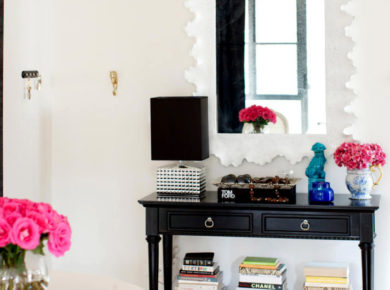
In a newer home, a fireplace design can do more than keep the room warm in winter; it can also create an attractive flame feature. The fireplace has become an integral part of the living room and carries high decorative value. Its function has changed as well. Once it served mainly as the family focal point; today, modern designs can also act as room dividers.
Fireplace Design as an Interior Accent

The pleasant warmth of fire has lasting appeal. Today, there is a fireplace for almost every room, from compact bioethanol models to minimalist built-in designs. Classic forms are increasingly giving way to original concepts, and materials such as concrete, leather, stainless steel, brass, and glass are popular with designers. The flame pattern itself becomes an attractive detail that adds to the sense of well-being. Ideally, the fireplace should be coordinated with the interior design of the room. Many basic versions for installation are available on the market.
Fireplace Design for a More Elegant Living Room

The right fireplace design can become the highlight of an interior. Plan its position so it can make the strongest impression. In tall rooms, a fireplace can often be installed later. Keep enough free space in front of it; a cushion, lounge chair, or shelving can turn the area into a cozy reading corner. A decorative stone wall is also a natural place for a fireplace. Small rooms benefit from compact square forms, while larger rooms can carry narrow, elongated models.
Fireplace in the entrance hall

Stone-tile wall as an interior focal point

Small bioethanol fireplace

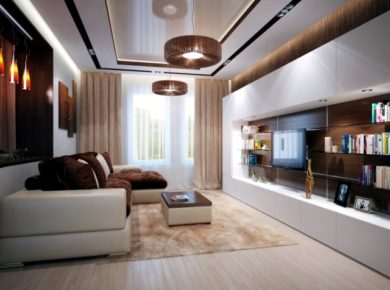
Large fireplace in the living room

Fireplace in a Scandinavian-style living room



 Peter Dark
 Anna Lohan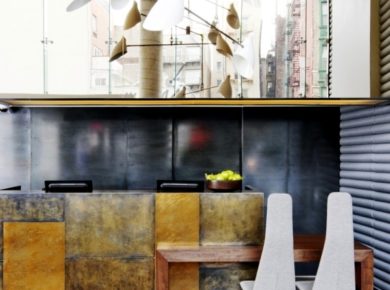
 miranda_shida