In recent years, interior design has always shown different trends: some disappear quickly, while others establish themselves as modern interpretations of familiar styles. Anyone who wants to furnish a house or apartment does not necessarily need to be an interior designer. Magazines, newspapers and the internet offer many suggestions. When building or remodeling, interested readers can also consult the real estate market, for example Immobilienscout24.at, for inspiration. The following overview looks more closely at interior design trends for 2015 and can also serve as a source of ideas.
Furniture Trends: Bauhaus Style and Modern Interior Design

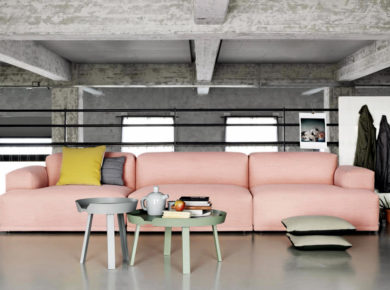
As in previous years, Bauhaus style remained popular. Known since 1919 through Walter Gropius, it continues to influence many architects and interior designers. This particular style is characterized by straight lines, not only in the space itself but also in the furniture. A living room, for example, can combine upholstered furniture with a simple metal table and a glass top. Within this clear design language, imagination still has room to move.
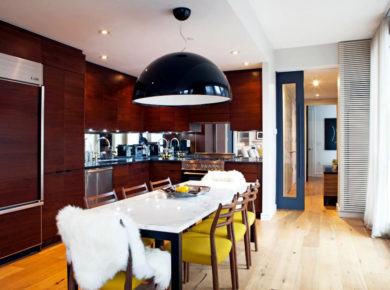
Alongside Bauhaus style, playful forms also appear in modern interior architecture. Multi-storey homes and galleries remain popular as well. Gallery railings are often made of metal and wood, creating special accents. Spacious rooms also remain in vogue, and they make it possible to divide areas within a room. A large living and dining room, for example, can be separated into one zone with upholstered furniture and another with rustic pieces. A sliding door, such as one made of glass, can also define the areas.

Shelving systems also have reason to stay in the spotlight, because they remain fashionable. They offer plenty of storage space and can also act as room dividers. In terms of design, almost anything is possible.
Neoclassical Style and Fragments: Furniture Trends

Since the beginning of 2014, interior design has also drawn inspiration from Greek and Roman themes. Murals, columns, busts and statues are being reinterpreted in updated ways. Fragmented and fractal elements also appear through geometric shapes. At the same time, rounded forms continue to play an important role: everything that can be curved or circular is likely to be softened.
Environment and Sustainability

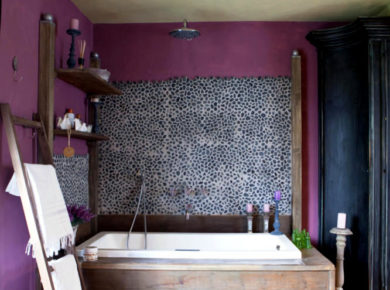
In the coming year, the focus is also on environmental compatibility. Wallpaper is increasingly replaced by wood as a wall covering, and natural materials are favored for wall surface treatments.
Sustainability also matters in furniture. This includes social, economic and ecological aspects. Furniture made from wood, produced under fair working conditions and manufactured with careful use of resources is becoming more important. In other words, plastic furniture or furniture made with questionable materials is losing appeal. By contrast, furniture made from renewable raw materials and treated with natural oil, wax or varnish remains on trend. Many providers have already responded by offering durable furniture made from sustainably produced materials.

 miranda_shida
 Anna Lohan
 Peter Dark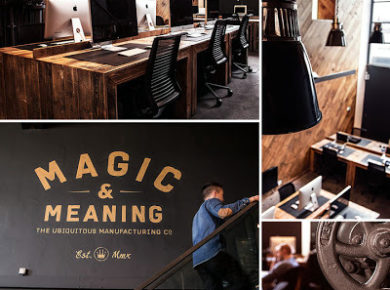
 Theresa V. Adams