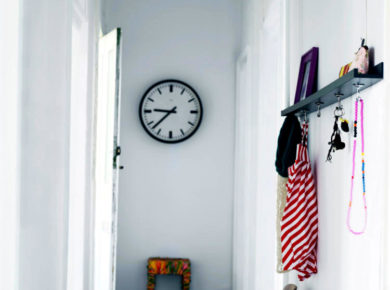
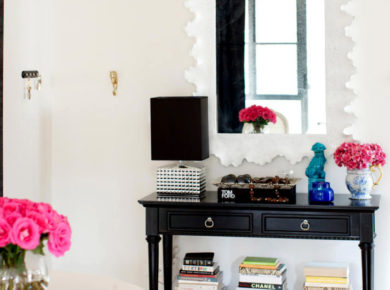
You can debate home decor endlessly: colorful or restrained rooms, wood or metal, fixed furniture or flexible pieces. In the end, much comes down to personal taste. Office furniture is different. Here, comfort, health and efficiency matter just as much as style. Over the decades, modern office furniture has evolved through practical testing into clear concepts that continue to shape the workplace. Many ideas were tried and revised, but the healthier and more efficient solutions lasted while the others disappeared. Modern office furniture is, in that sense, the product of evolution, and its success is measured in the daily routines of many employees.
Modern office furniture gives priority to ergonomics

Modern furniture should be ergonomic
The main priority of modern office furniture today is ergonomics. It is important to prevent workers from becoming ill, not only for humane reasons but also for clear economic ones. Absenteeism, back pain and poor posture can become expensive for employers over time.

Problems that could have been avoided with better office furniture are often the most frustrating. Many business owners hesitate before paying for good ergonomic pieces, but if those purchases help prevent back injuries, they can be cheaper in the long run. Health insurers and pension funds sometimes help subsidize ergonomic equipment, at least in part; it never hurts for employers to ask about support.
Modern office furniture – mobile and flexible

Functions
Ergonomics is especially important in furniture that is flexible, supports the body well and encourages movement. Modern office chairs no longer simply hold the spine in one fixed position; they often include tilt mechanisms, adjustable suspension, seat-height settings and other features associated with contemporary workplace comfort. The key idea is dynamic sitting, because the back is healthier when the body can keep moving. A good chair should support that movement while still making it easy to sit comfortably.

The same applies to the desk. It should offer enough space to keep a healthy distance between eyes and screen, but modern desks can do more than that. Electric height-adjustable models raise the work surface automatically, allowing employees to alternate between sitting and standing. This stimulates circulation and helps people stay alert.
Modern design
Another side of modern office design affects well-being: offices have become brighter, and light matters.

Heavy dark furniture and mismatched solid-wood office sets are a thing of the past. Seen from today, such offices probably make many employees less productive. New materials and production methods allow more precise combinations of materials and new forms in the world of office furniture.
Take desks, for example: table legs are becoming not only slimmer, leaving more space at the work surface, but also fewer in number. Many desks now stand on two broad supports, almost like skids, which makes them easier to move and clean around. Cabinets and tables may still be made of wood, but lighter woods and durable finishes are preferred; melamine-resin coatings, for example, have become common. Anyone who wants a playful shape can also choose alternatives such as rectangular or kidney-shaped tabletops.

Color in the office
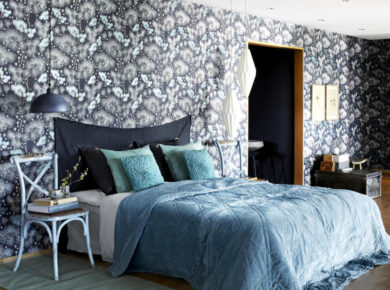
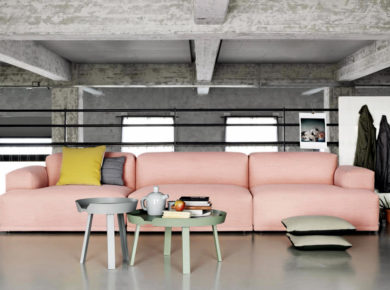
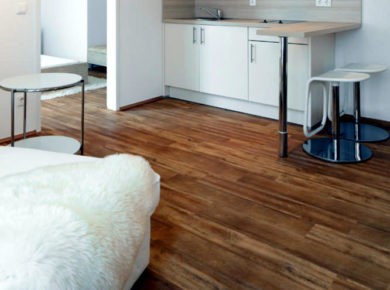
Dull colors no longer have to define the 21st-century workplace. Office furniture is now available in a wide range of shades. From blue to pink, almost anything is allowed, as long as it suits the room and the people who use it. After all, we should feel comfortable in the office. One final tip for anyone with a home office: banish opaque white from the room. A blue wall color can create a calmer, more creative mood.
Ultimately, office design is about both clarity and well-being. Bright, cheerful workplaces support employees, and in a broader sense that also belongs to ergonomics.



 Anna Lohan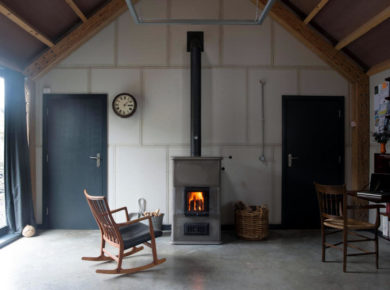
 miranda_shida
 Peter Dark