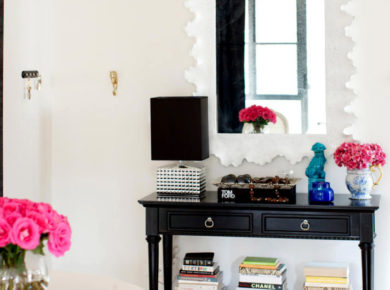
Do you like cooking with fresh herbs? Have you thought about keeping a small herb garden in your kitchen? If so, today’s ideas are for you. A herb garden at home can be very simple: a few planters grouped on a tray with river pebbles for drainage and decoration. If you prefer a more decorative look, choose ceramic pots in different sizes and give each herb enough light. Whether you grow many herbs or just a few, an indoor herb garden brings fresh flavor into winter cooking and adds life to the kitchen. Before you begin, consider a few practical points.
Herb garden design at home – which herbs?

Questions to ask before you start
First, make a list of the herbs you use most often in cooking and any varieties you would like to try. Then consider how much light each plant needs. Mint and chives tolerate cooler, lower-light conditions, while basil and thyme need more sun and a little more attention. Be honest about how much time you can spend caring for the garden. If you are new to indoor herbs, begin with two or three plants and expand later.
Creating a herb garden at home

Choosing the right place at home
Most herbs need about six hours of daylight, so choose the location carefully. If you have a windowsill that gets sun for much of the day and you only want to grow a few herbs, you have found the perfect spot. If you want to grow more plants, place a small table near the window and arrange the pots there.

Choose the right container
The container can be simple. For example, you can arrange several cans on a tray with gravel, which improves drainage and looks attractive. You can also choose a specially designed herb planter or several individual pots. Look around the house first; you may already have something suitable. Otherwise, visit a local garden center and choose what fits your space. If you want to grow chives or mint, remember that these herbs prefer their own containers because they tend to spread and crowd out other plants. Many other herbs can grow together successfully in one planter. In every case, make sure the containers have good drainage.

Plan everything in advance
Sketch your design on a suitable scale so you can place every pot carefully. By this stage, you should already have chosen the best position for the plants. Planning your herb garden in advance helps you spot problems early and solve them before planting. You can also set the containers in their planned places to check whether everything fits properly.

Rotate the herbs every day
Turn the herb pots every day so each plant develops evenly. If you leave them facing the same direction, they will grow toward the light and may become crooked. Daily rotation helps avoid this. When planning your herb garden, allow enough extra space around the pots so you can turn them easily and set them back down without crowding the plants.

Designing a herb garden can be a lot of fun. First consider which plants you want to grow, how much light and space they need, and which herbs should be grown together or separately. Then make your plan. Choose containers with good drainage, buy plants or seeds, and plant them carefully. Soon you will be rewarded for your efforts. While cooking, you will always have fresh herbs within reach and can prepare delicious dishes for family and friends. We hope you enjoy cooking with your own kitchen herbs!



 Peter Dark
 Yolande A. Bow
 Taus Kishiev
 miranda_shida