Can tourism design become more attentive to sustainability? One answer is glamping, a form of hospitality that combines camping, comfort, and a lighter relationship with the landscape.
The term blends camping and glamour, but the best examples are not just luxurious tents. They are modular, transportable, and designed to reduce impact through lighter construction and more adaptable materials.
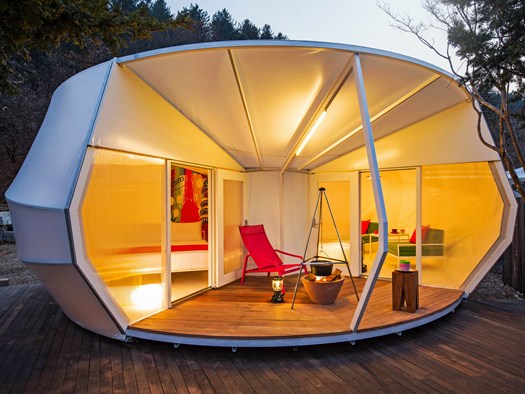
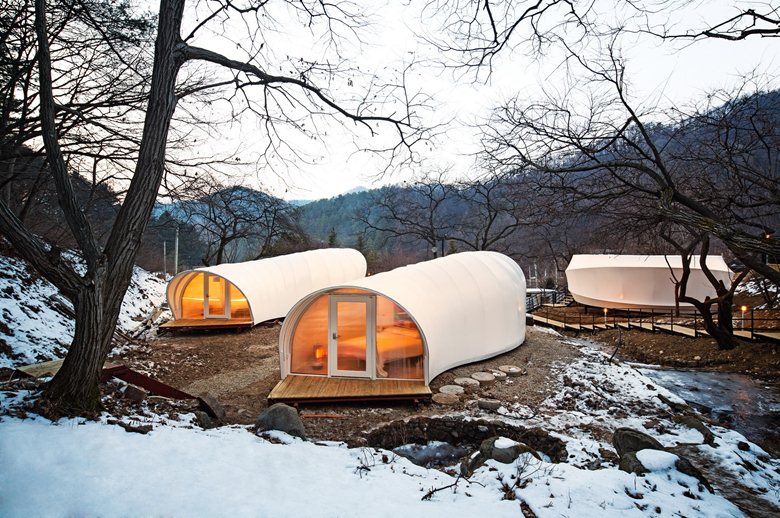
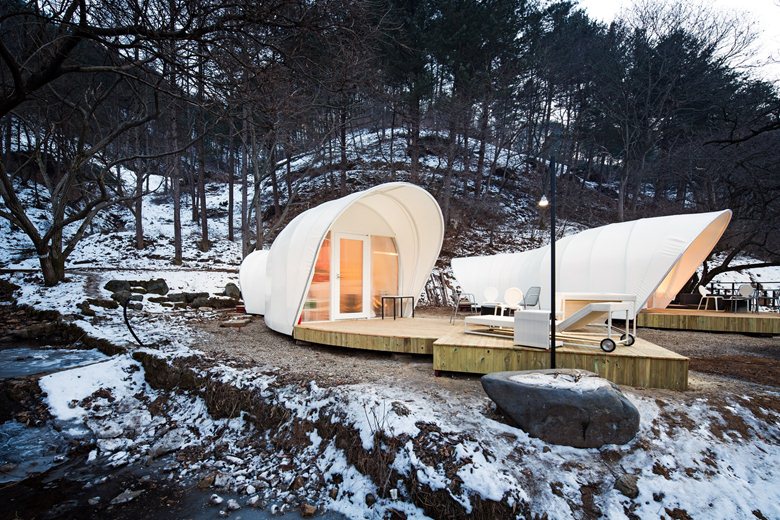
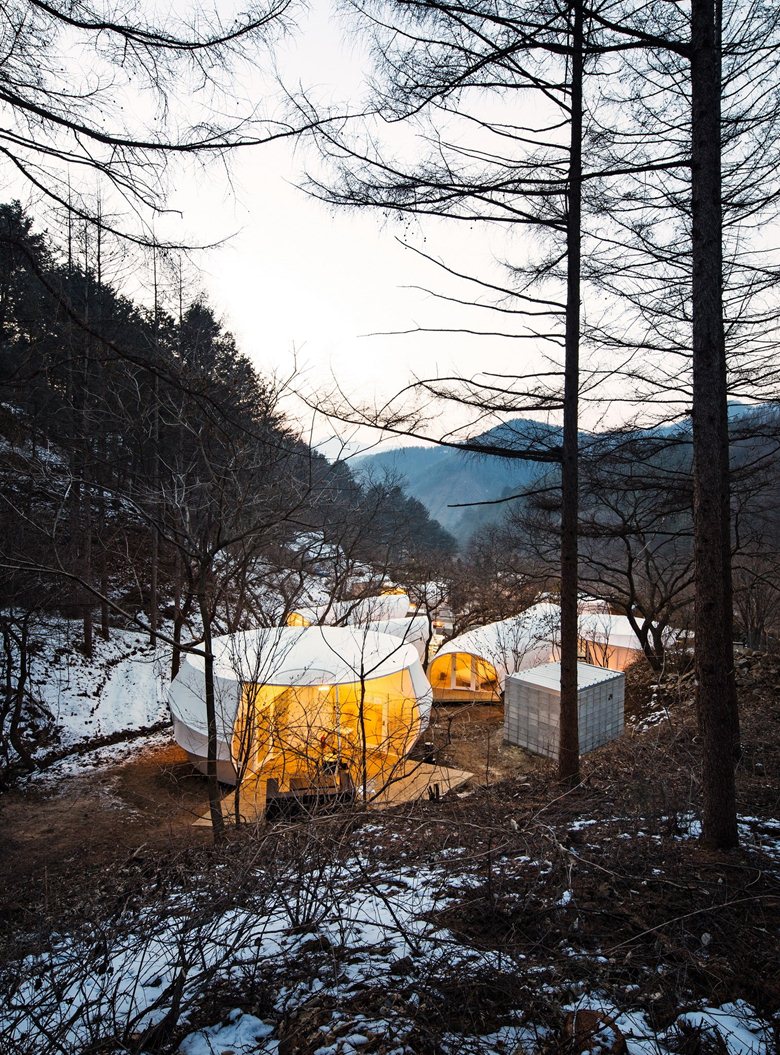
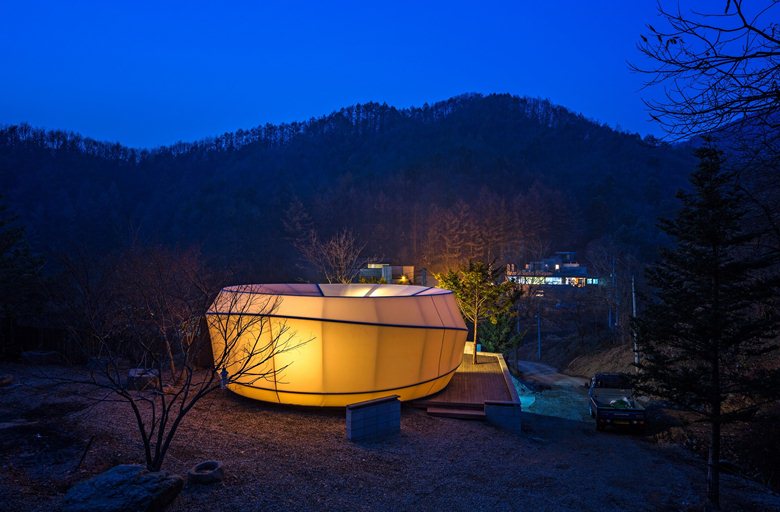
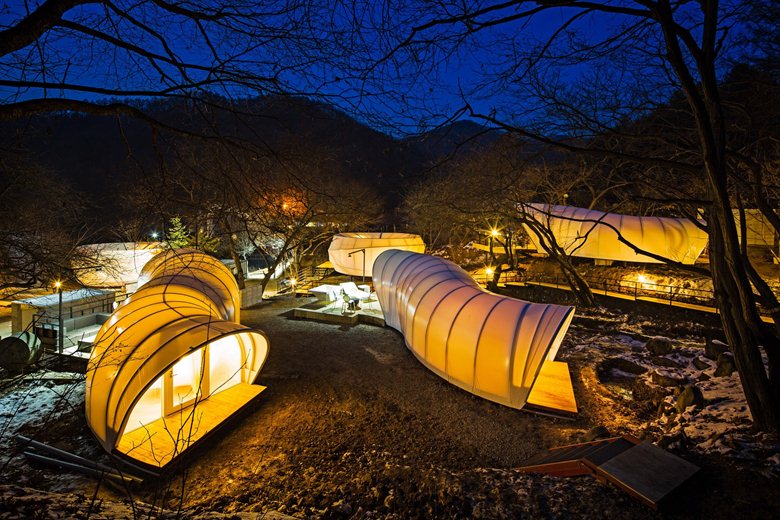
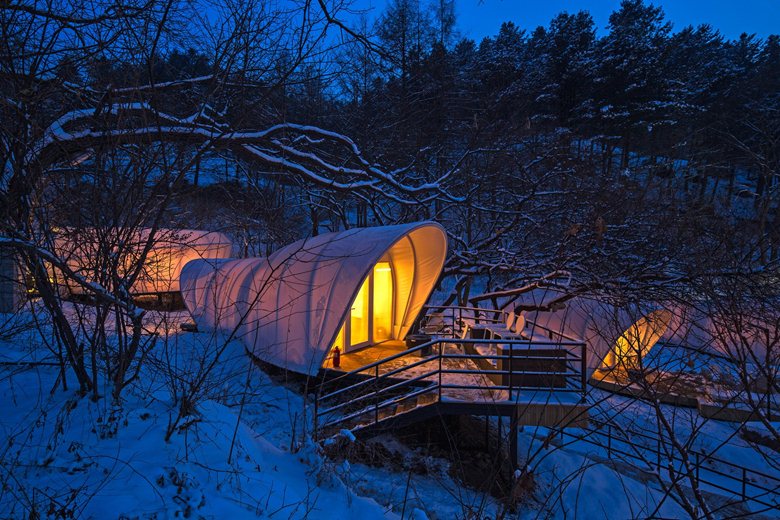
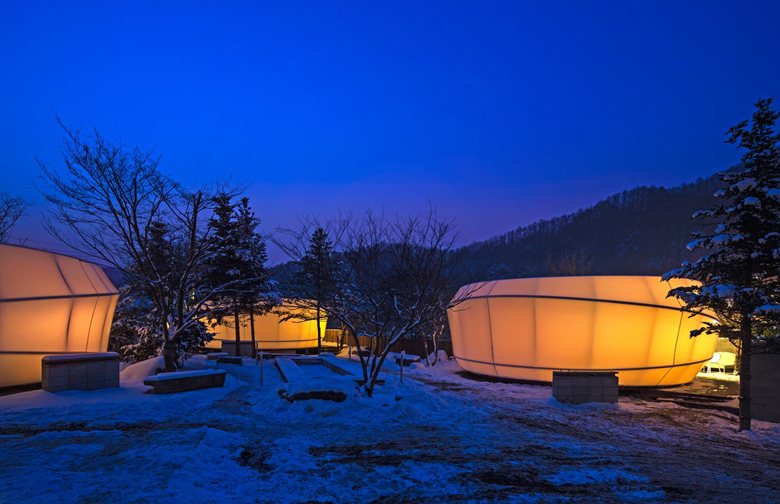
One of the strongest examples comes from South Korea: Glamping for Glampers by ArchiWorkshop. The project uses two custom tent typologies, one tubular and one circular, both designed to sit within nature while giving guests a higher level of comfort.
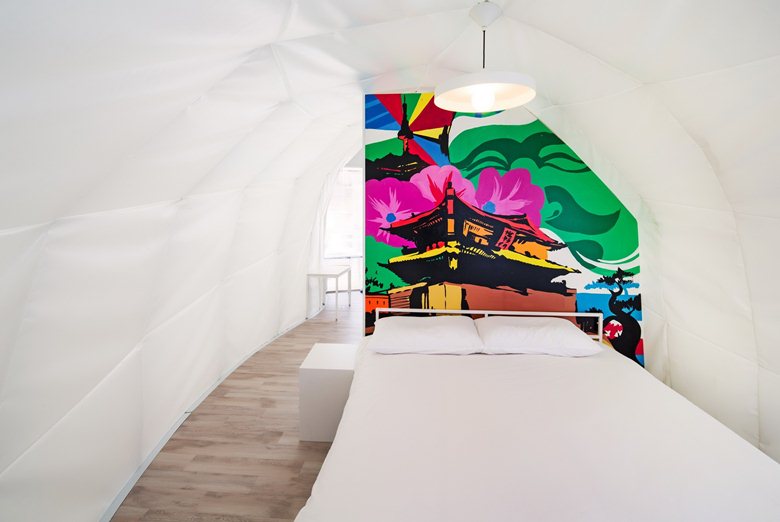
The structures use a high-performance membrane that is waterproof, fire-resistant, and UV-resistant. Their double skin helps them respond to Korea’s changing seasons, while the interiors include compact, flexible furniture that can shift from daytime seating to sleeping at night.
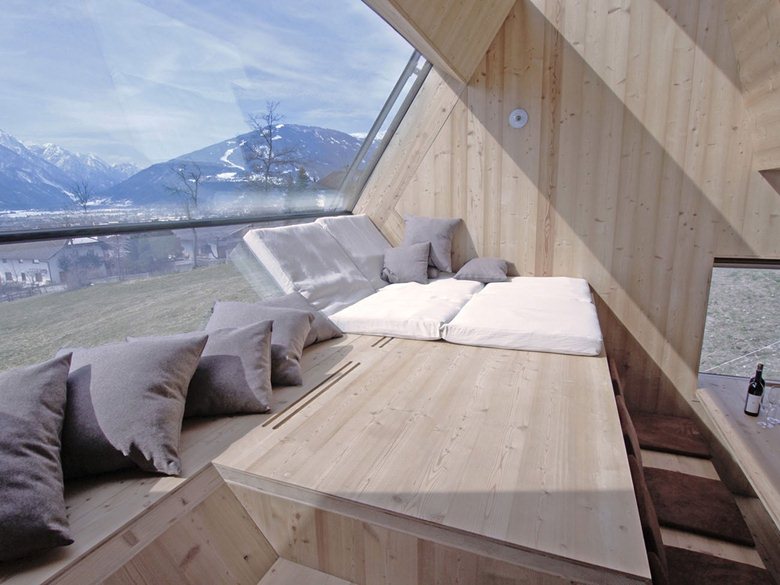
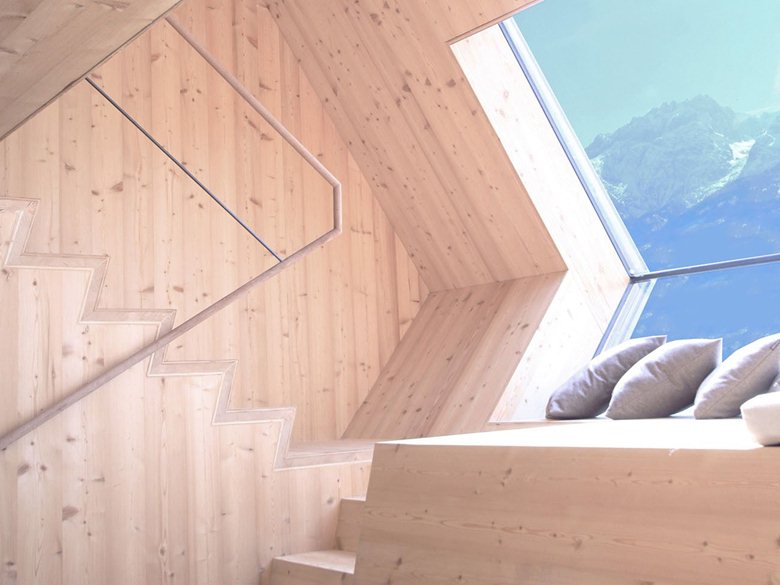
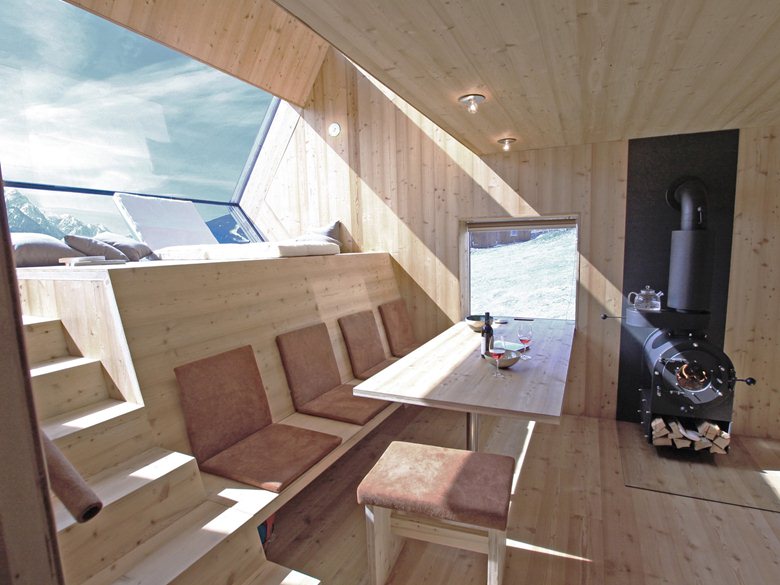
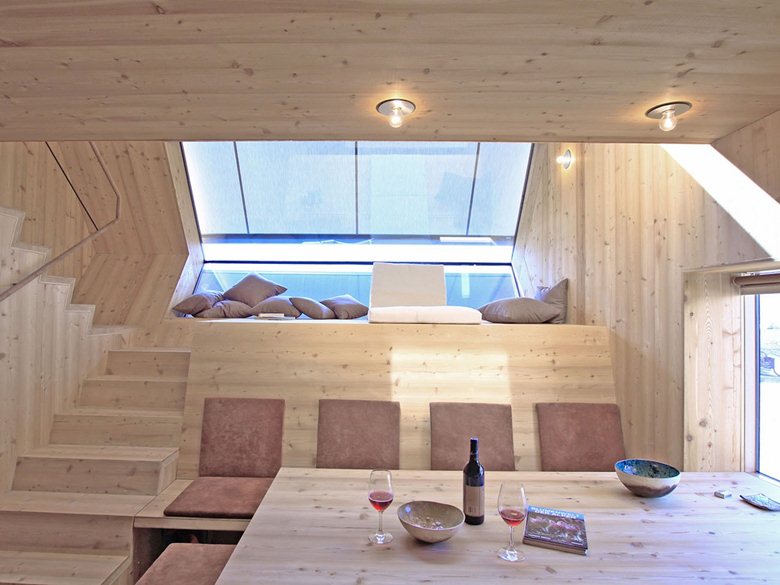
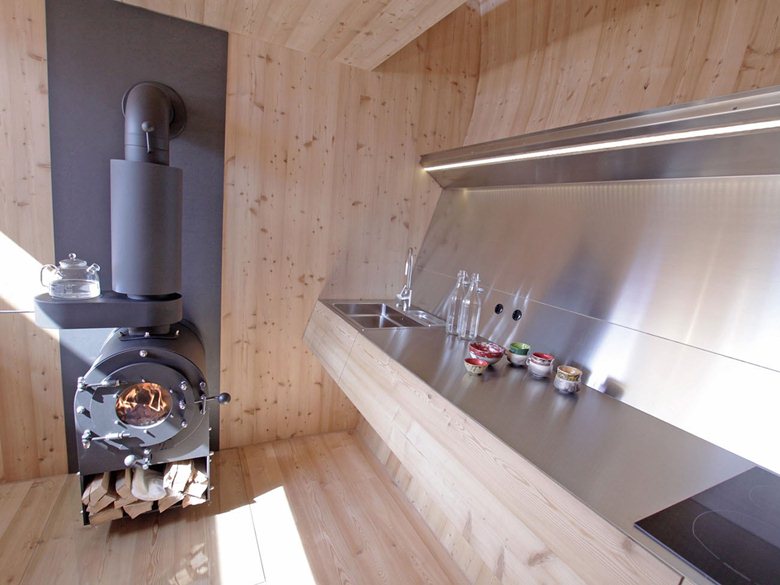
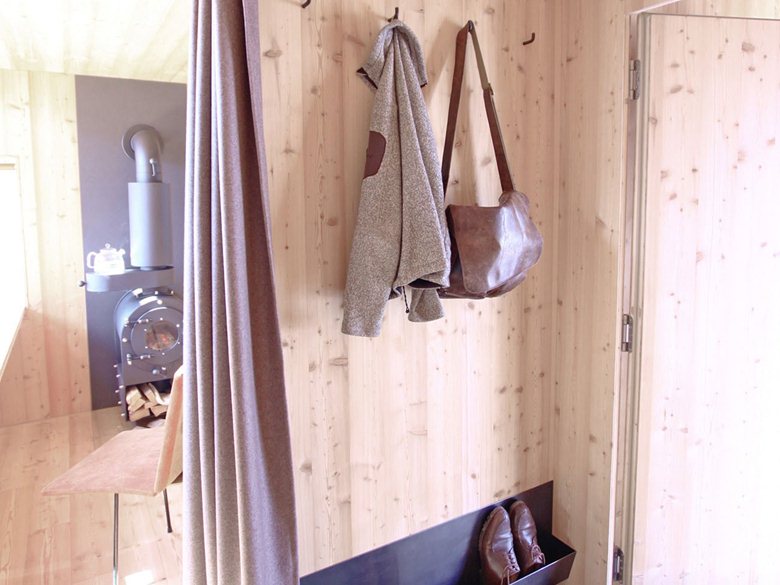
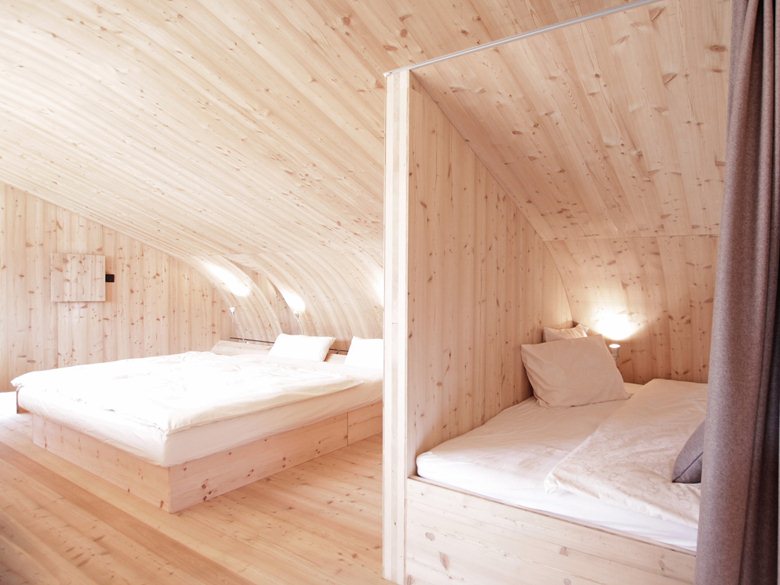
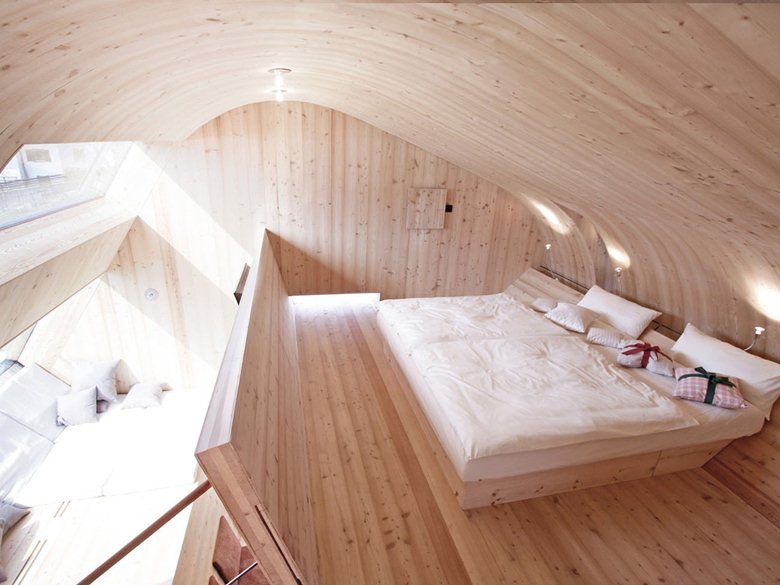
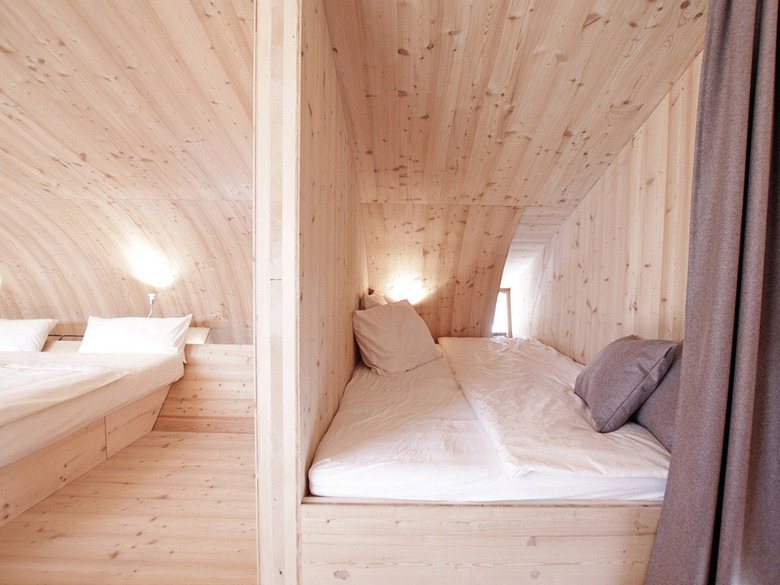
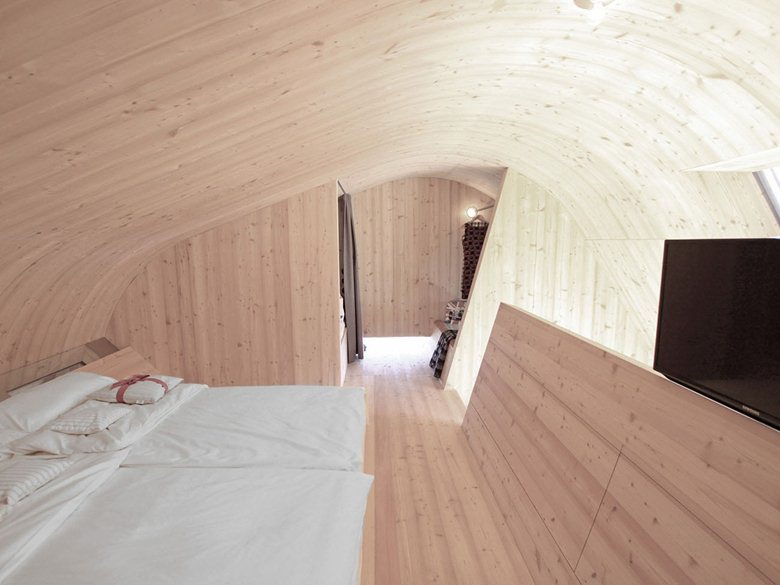
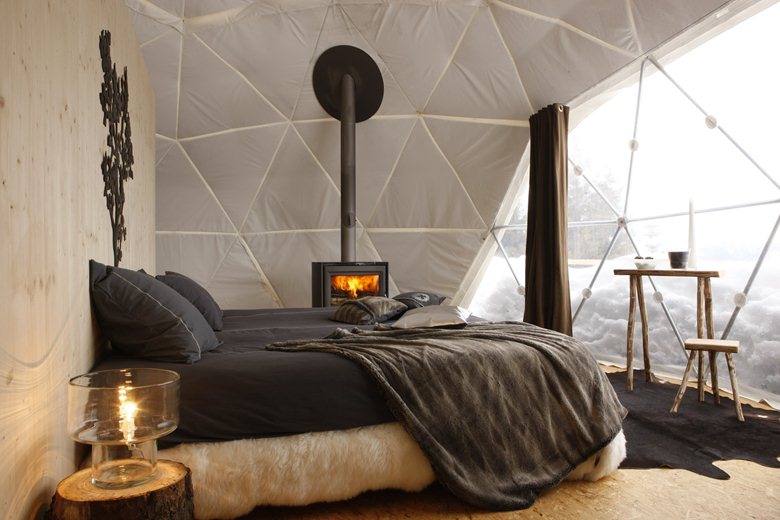
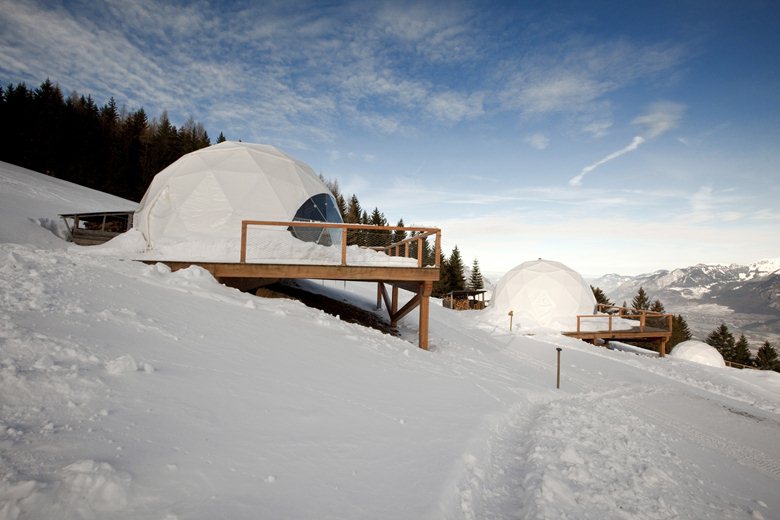
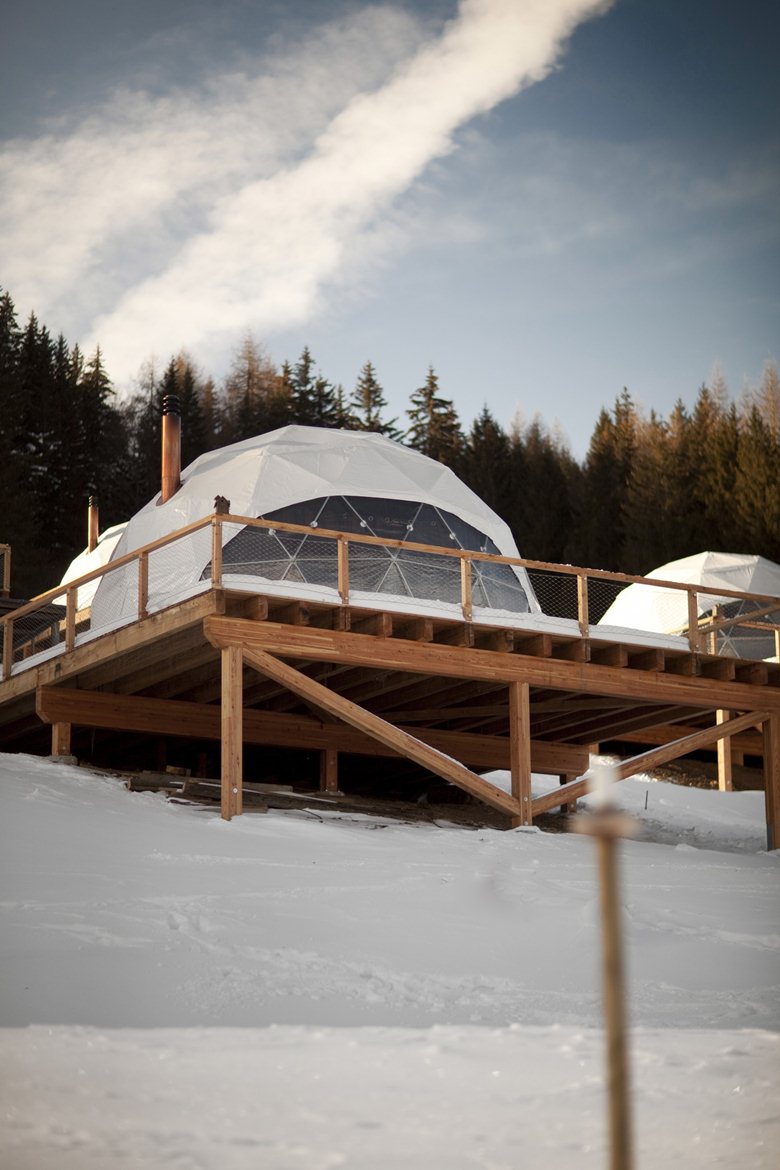
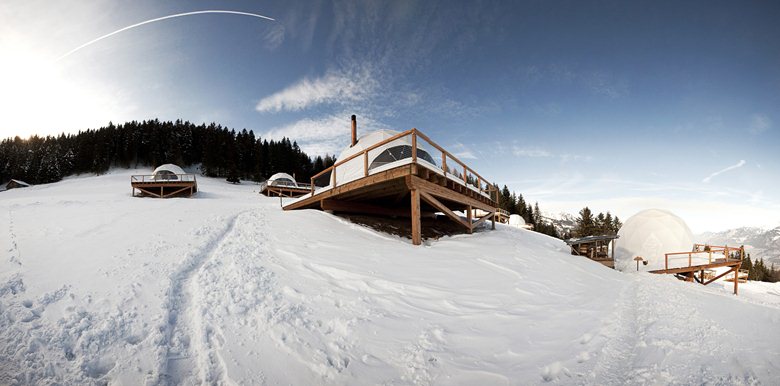
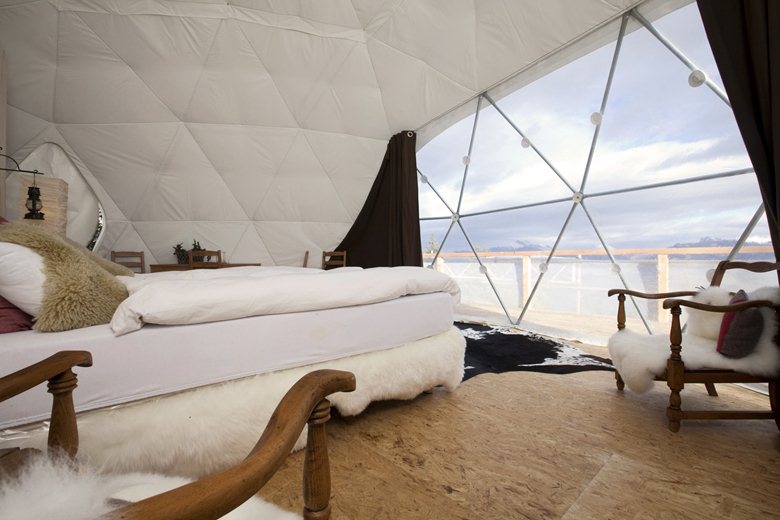
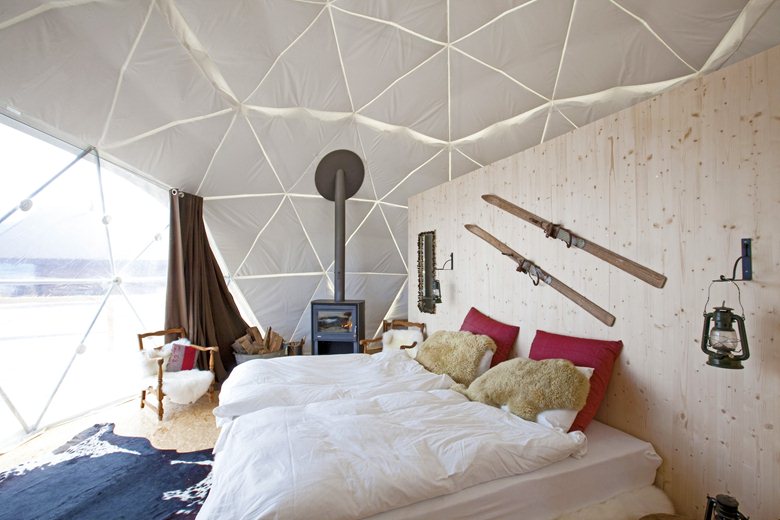
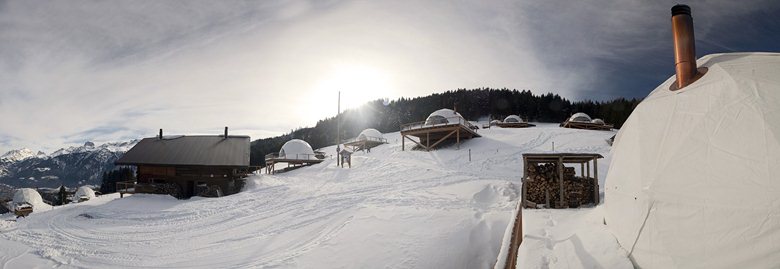
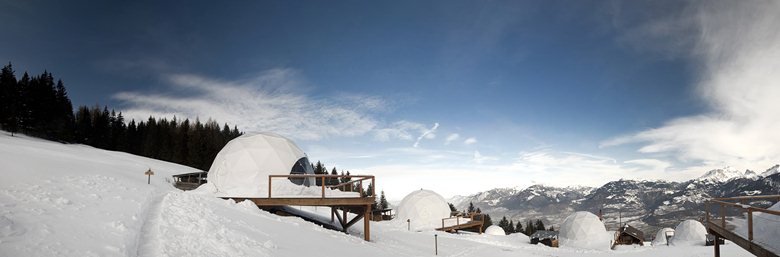
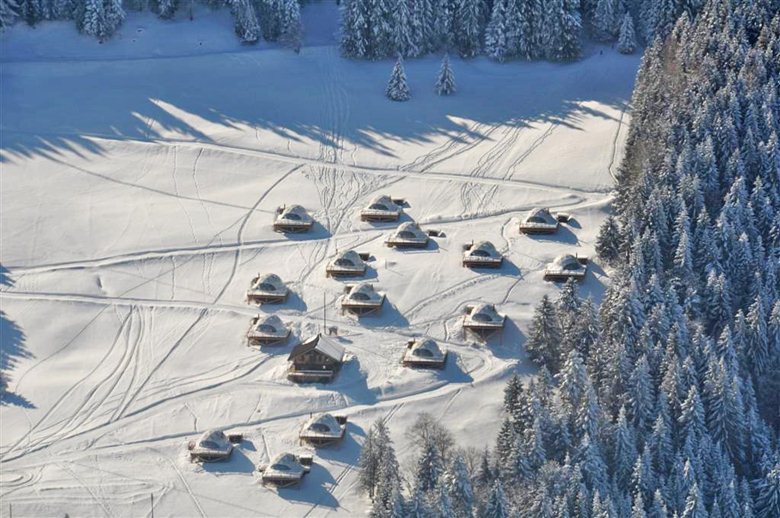
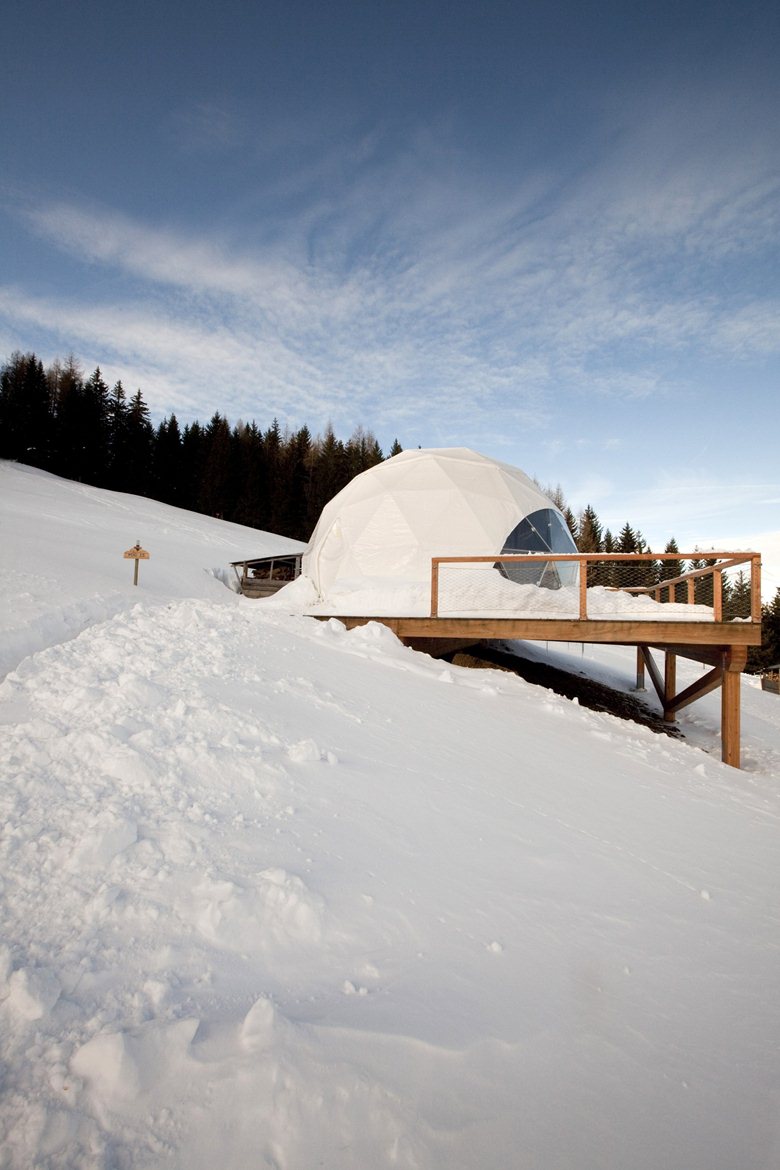
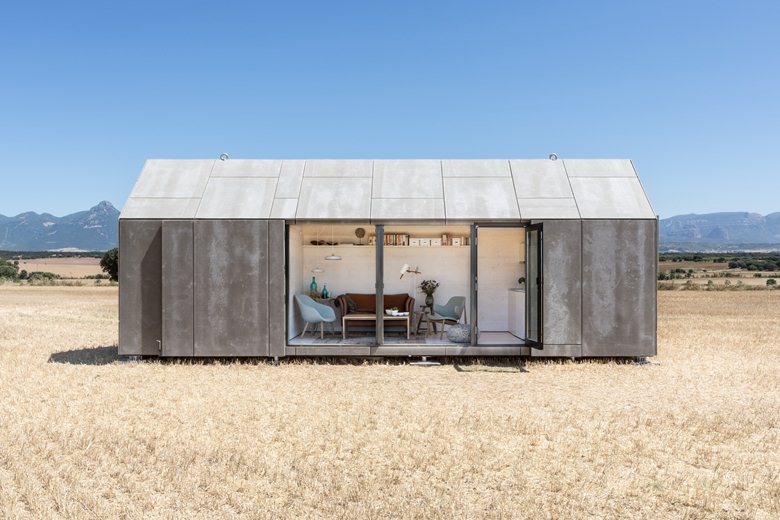
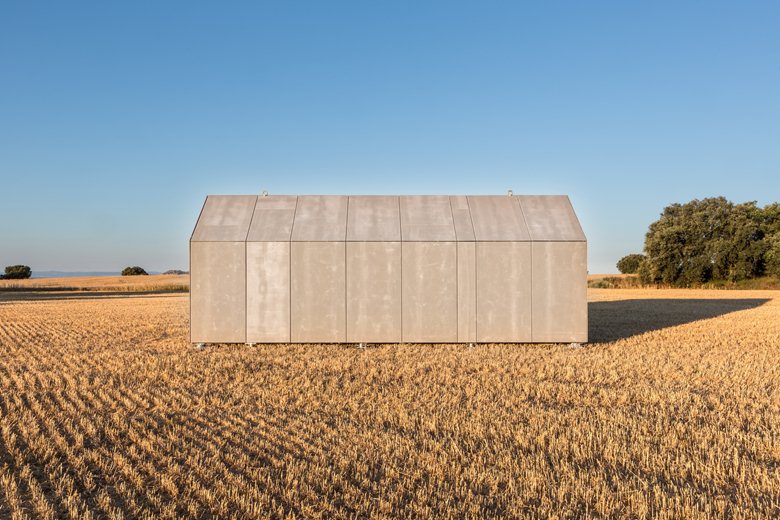
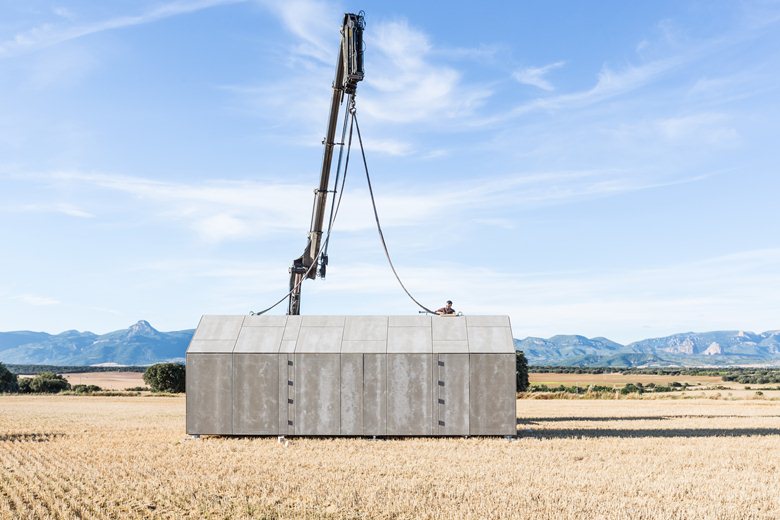
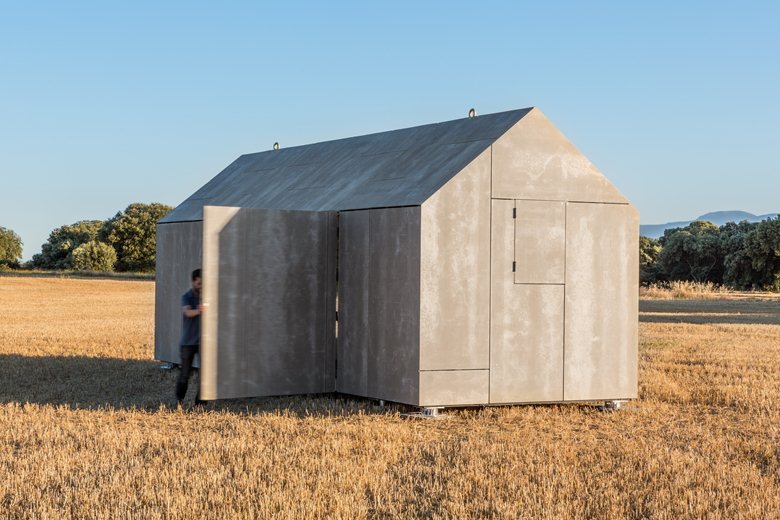
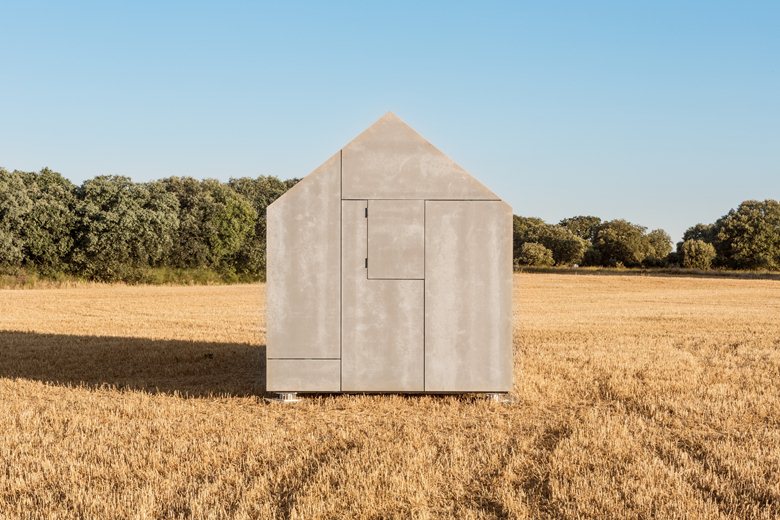
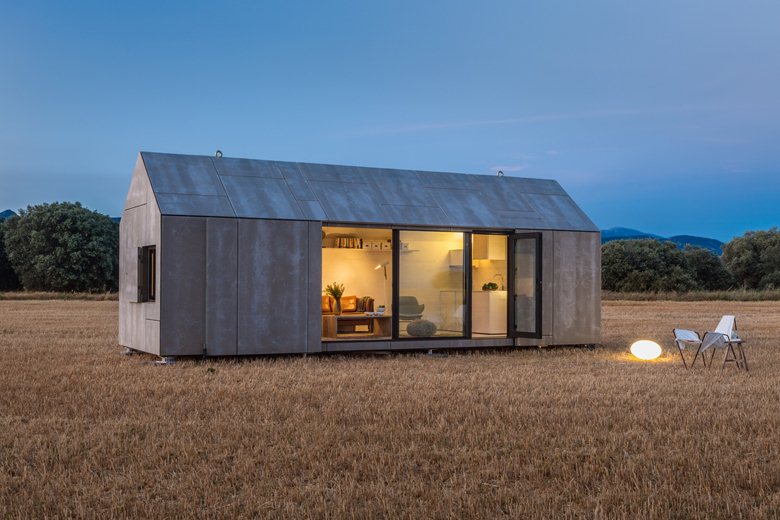
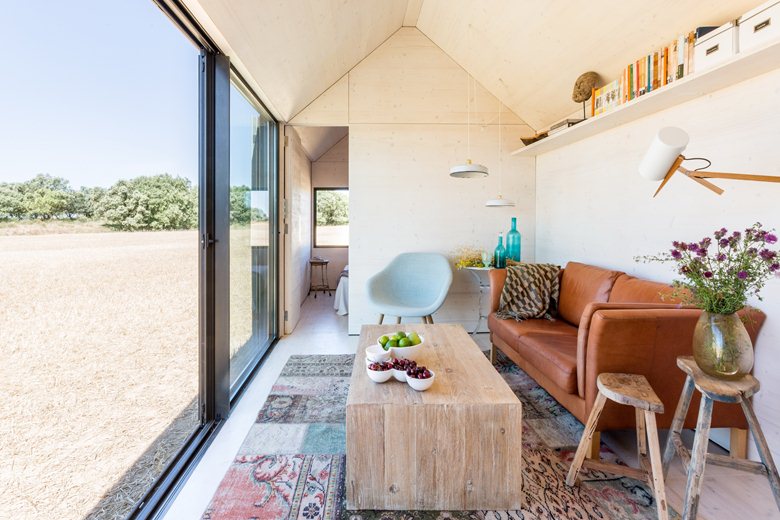
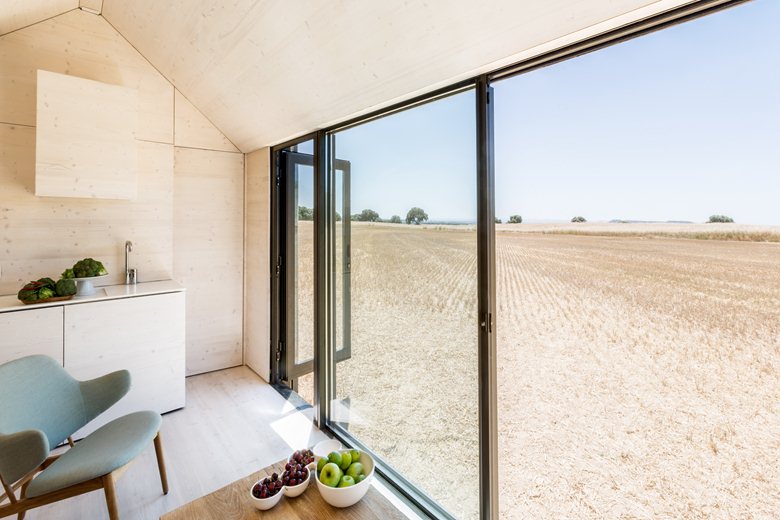
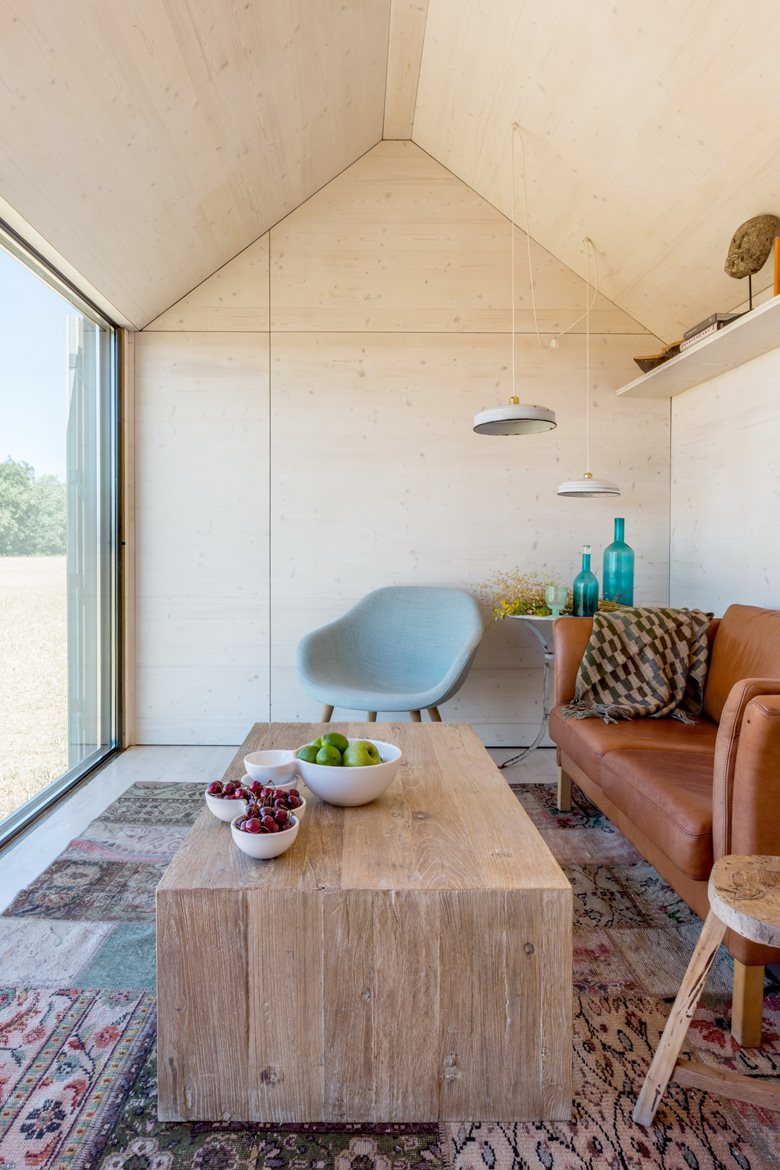
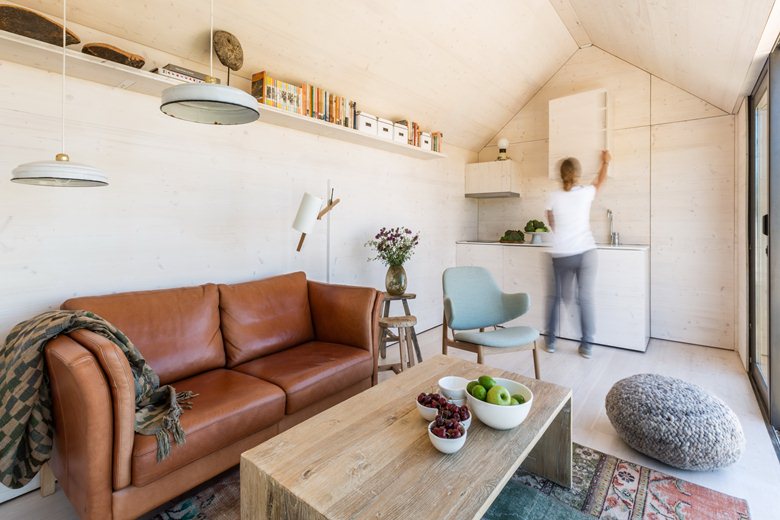
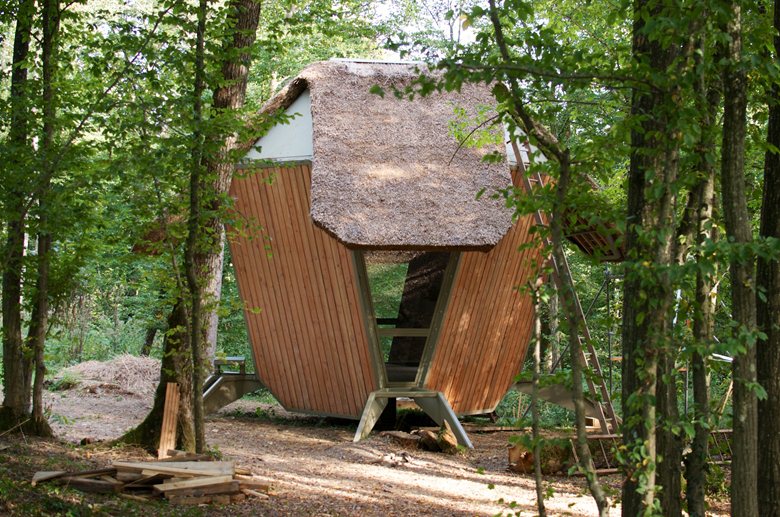
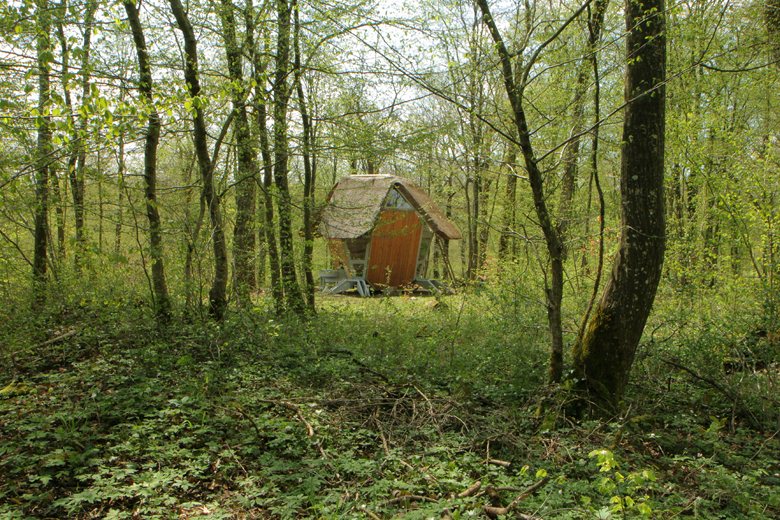
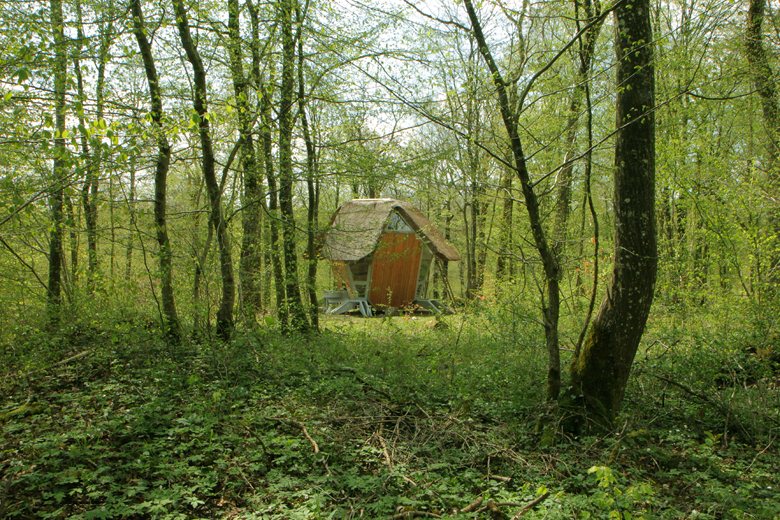
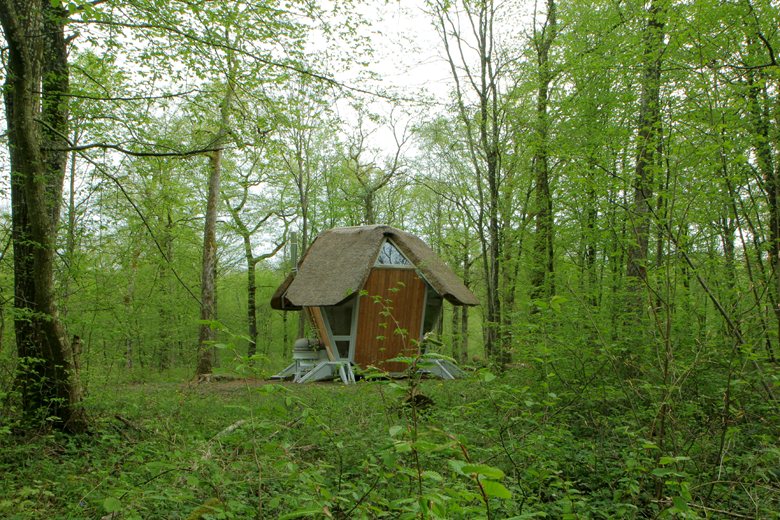
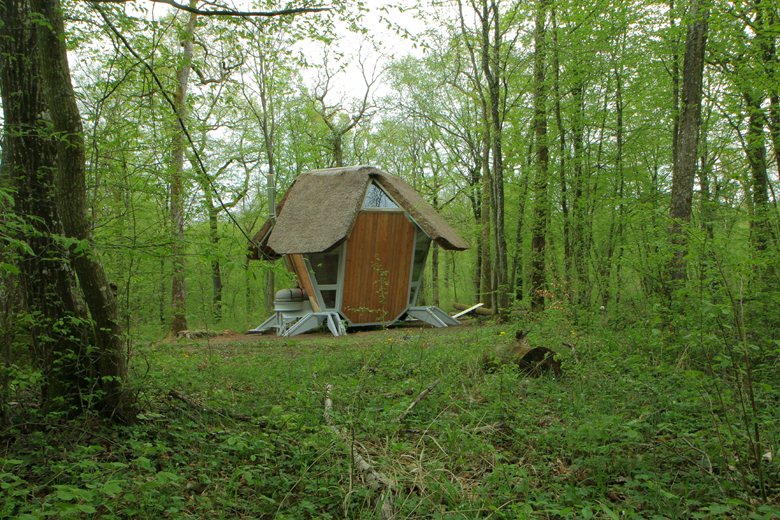
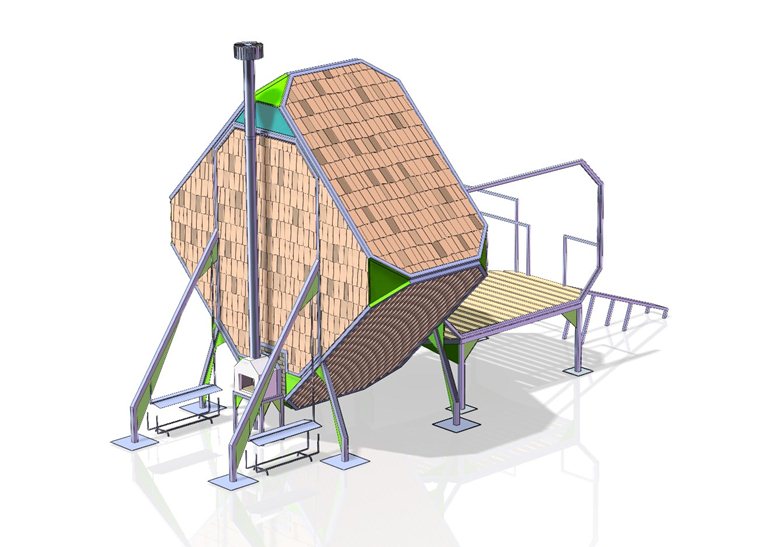
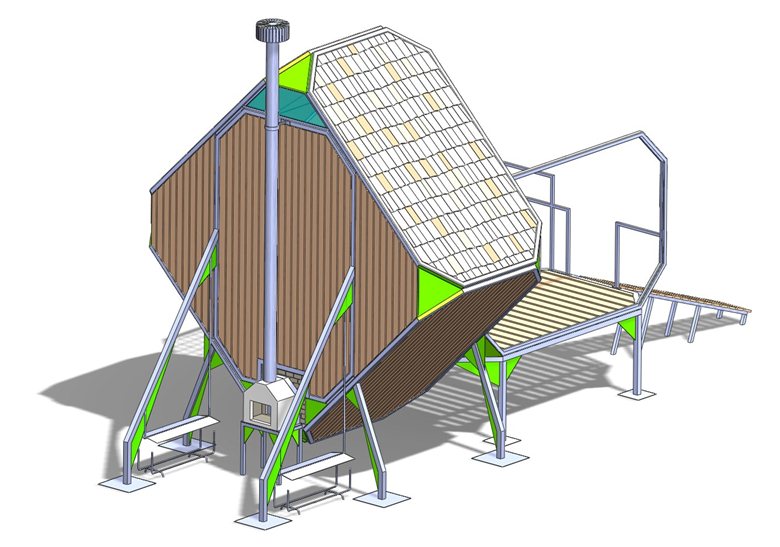
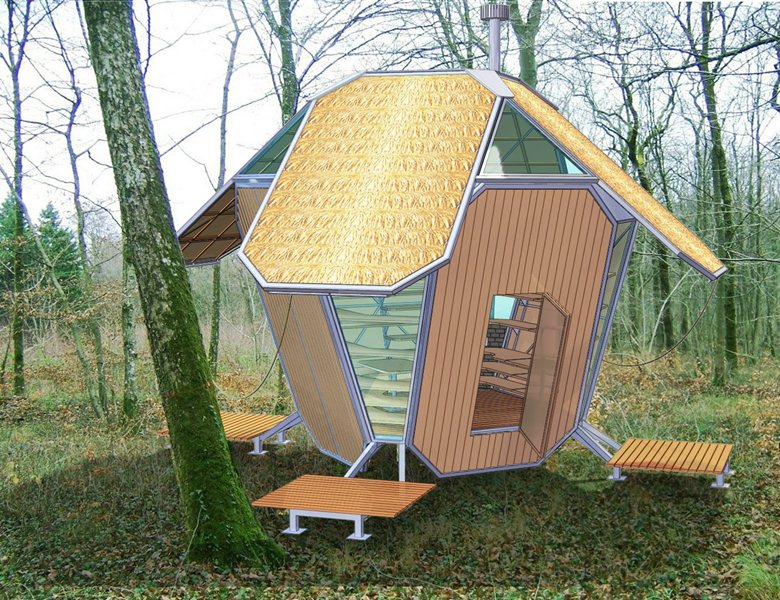
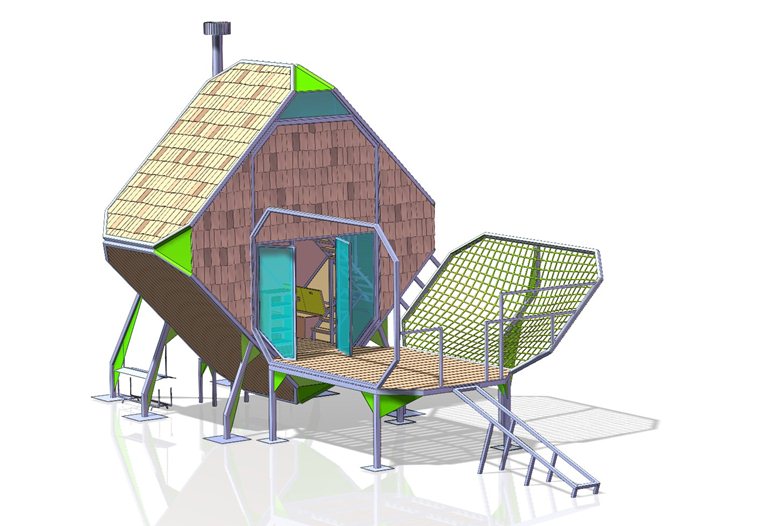
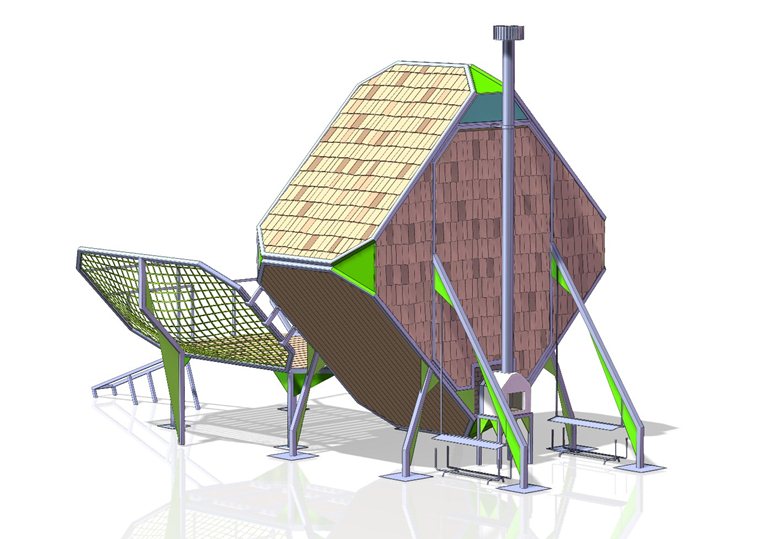
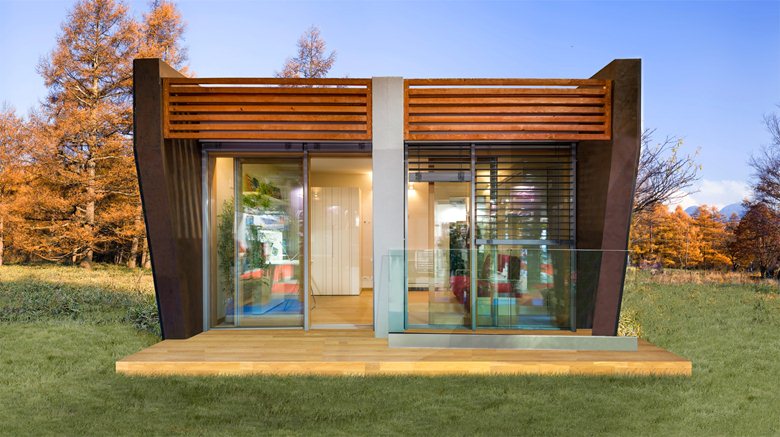
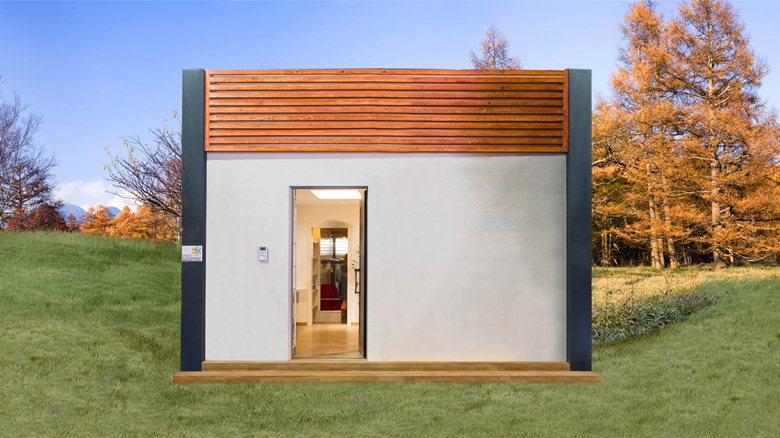
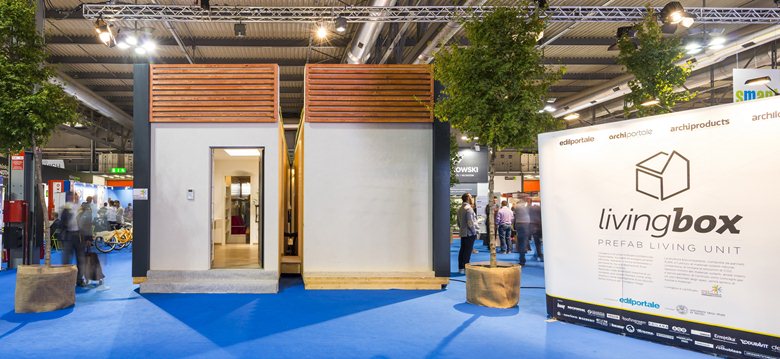
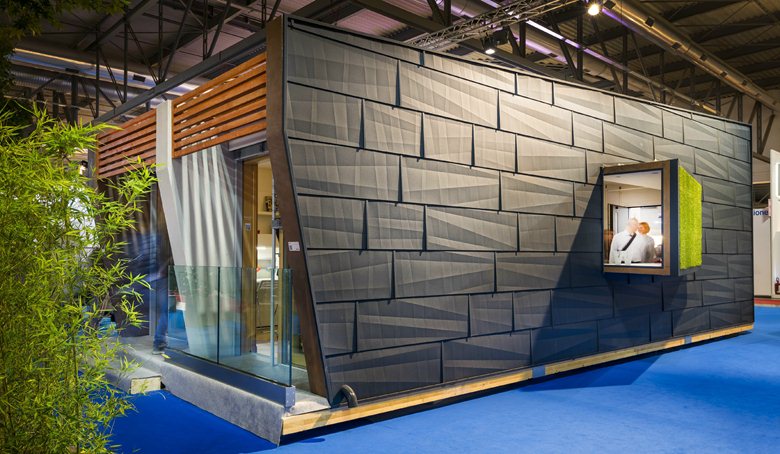
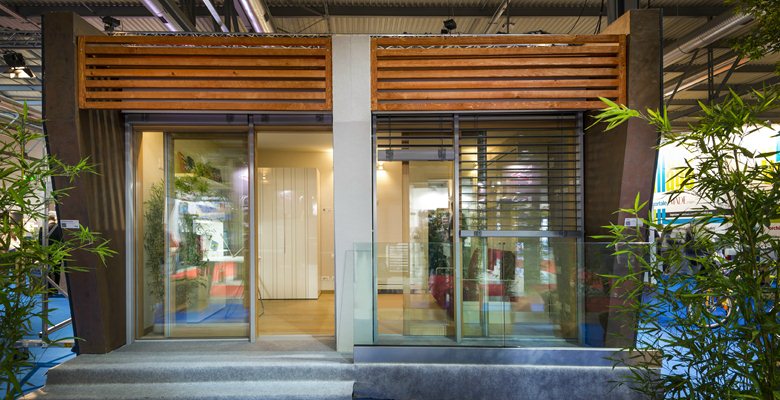
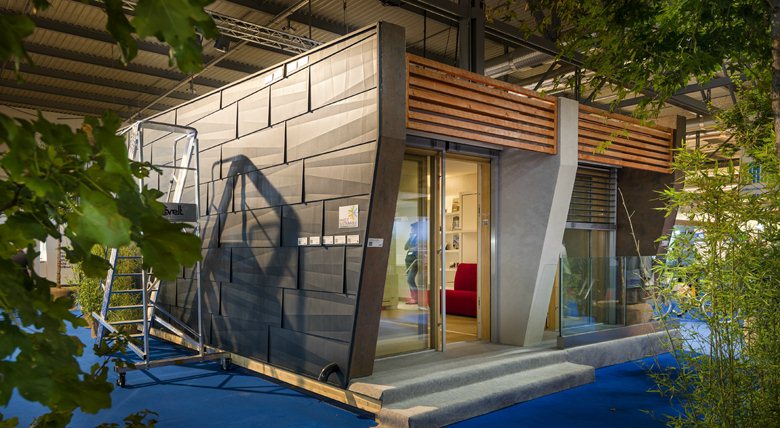
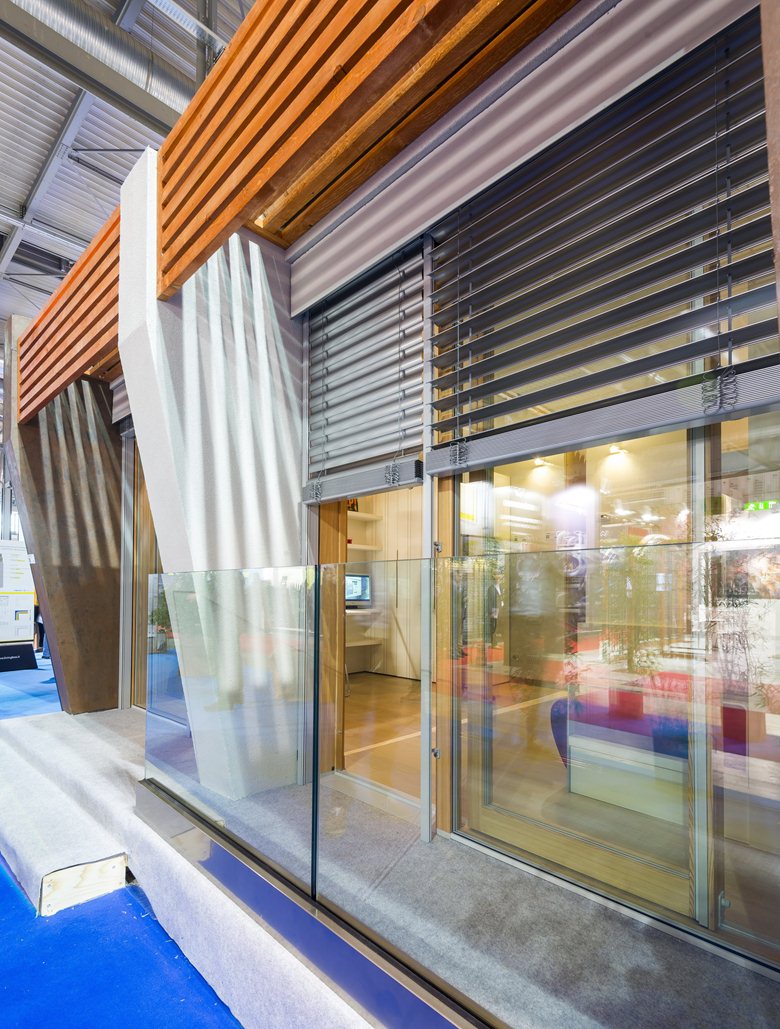
The same wider trend can be seen in other lightweight hospitality projects, from Peter Jungmann’s UFOgel in Austria to Whitepod in Switzerland and prefabricated portable homes. What connects them is the search for architecture that is temporary, efficient, and close to the landscape without giving up comfort.

 Yolande A. Bow
 Anna Lohan
 miranda_shida
 Peter Dark