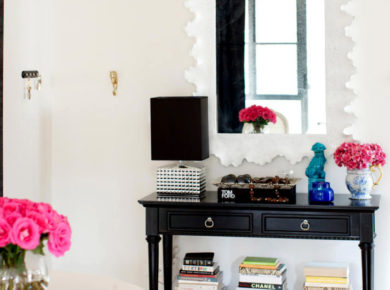
Coming home after work, eating something simple, relaxing on the sofa, and then sleeping peacefully through the night is important for many people. Modern working life can be stressful, so the home should offer a calm place to recover. With a few thoughtful decorating choices, even small rooms can feel more comfortable and restful.
Ideas For Creating A Relaxing Bedroom

To create a quiet and comfortable atmosphere at home, start with the details that visually disturb the room. Walls with many small motifs can make a space feel busy, so it is often better to limit strong patterns to one accent area.
Clutter has a similar effect. Too many small decorations, toys, souvenirs, or collectibles keep the eye constantly moving and make it harder to relax. Store them in a dedicated cabinet or a separate playroom so the bedroom and living areas can breathe.
Warmth is also important. Upholstered furniture, soft cushions, throws, gentle lighting, and candles can make a room feel more inviting than hard, cold surfaces alone.
Wood Furniture Ideas – Natural Warmth

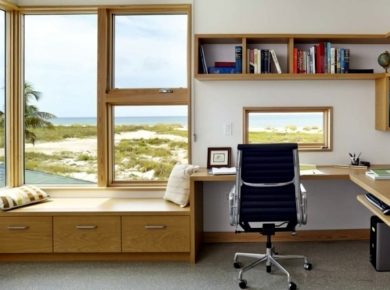
Wood is one of the easiest materials to use when you want a warmer interior. You do not need to cover the walls with wood or buy a large table; small accessories can be enough. A wooden mirror frame, storage boxes, bowls, lamps, or a small rug with natural tones can soften the look of the room.
Which Colors Have A Calming Effect?

Wall colors play a major role in the mood of a room. Soft shades of blue, green, beige, and brown often feel calmer than intense colors. Red can be stimulating, so it is best used sparingly in rooms intended for sleep and rest.
It also helps to reduce screens and appliances in the bedroom. Instead of watching television in bed, try reading a book, listening to quiet music, or keeping the room darker and simpler before sleep.
Seasonal details can support the same effect. Natural essential oils, used carefully and in small amounts, may add a pleasant scent to the room. Lavender and rose are common choices, but the fragrance should remain subtle; too much scent can quickly become unpleasant.
Windows Can Affect Comfort And Sleep

Beyond decoration, the structure of the room also matters. If a space always feels cold, check whether air is coming through the windows. One simple test is to place a sheet of paper in the open window, close the window, and then pull the paper gently. If it slides out easily, the seal may be worn and cold air may be entering the room.
If the room remains cold despite closed windows, ask a professional to check the insulation. It is difficult to relax in a space that constantly feels drafty or uncomfortable.

 Lincoln Matheson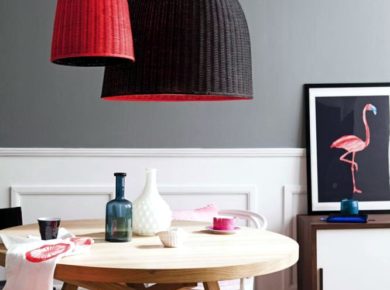
 Anna Lohan

 Peter Dark
 miranda_shida