06/11/2015 – Giorgia Cerulli is a Rome-based architect, art lover and researcher of antiques and modern furniture, constantly discovering new markets and vintage shops around Europe and America. This defines Giorgia Cerulli, whose life and work move between interiors, exhibitions, installations, architectural design and her art gallery in Rome’s Monti district.
Sacripante Art Gallery is part of this narrative, suspended between architecture, design, antiques and a conservative yet creative spirit.
Editorial: Tell us how the Sacripante Art Gallery project came about, from the choice of a space inside an ancient monastery to the selection of furnishings and recovered materials.
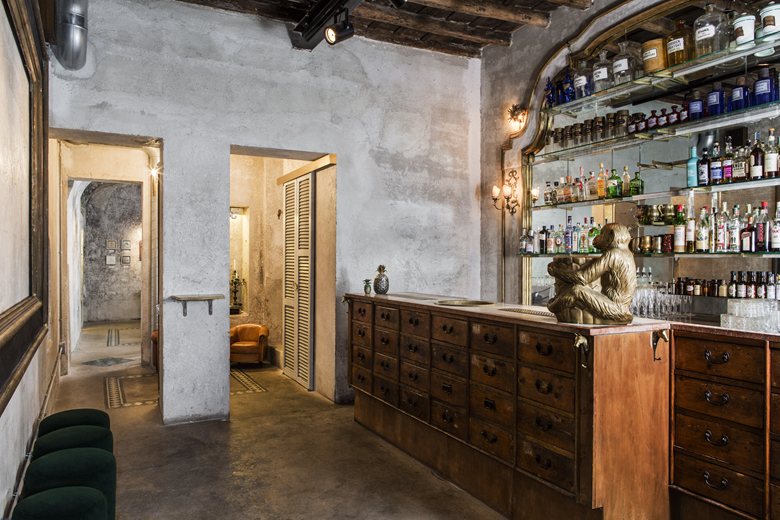
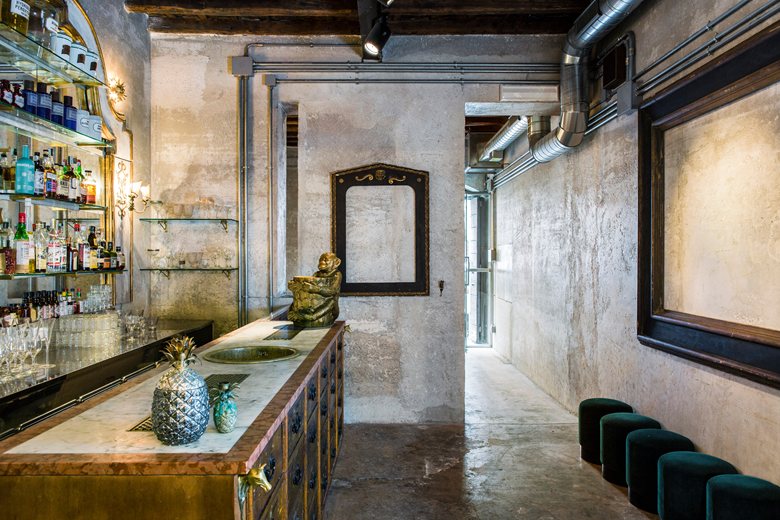
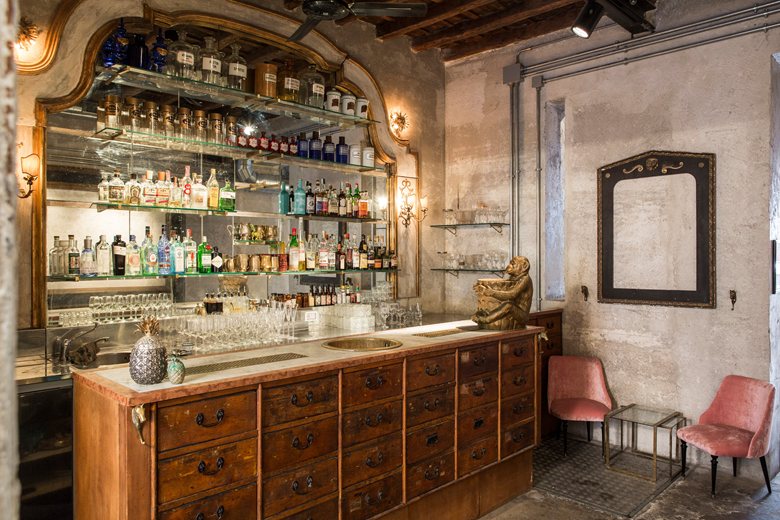
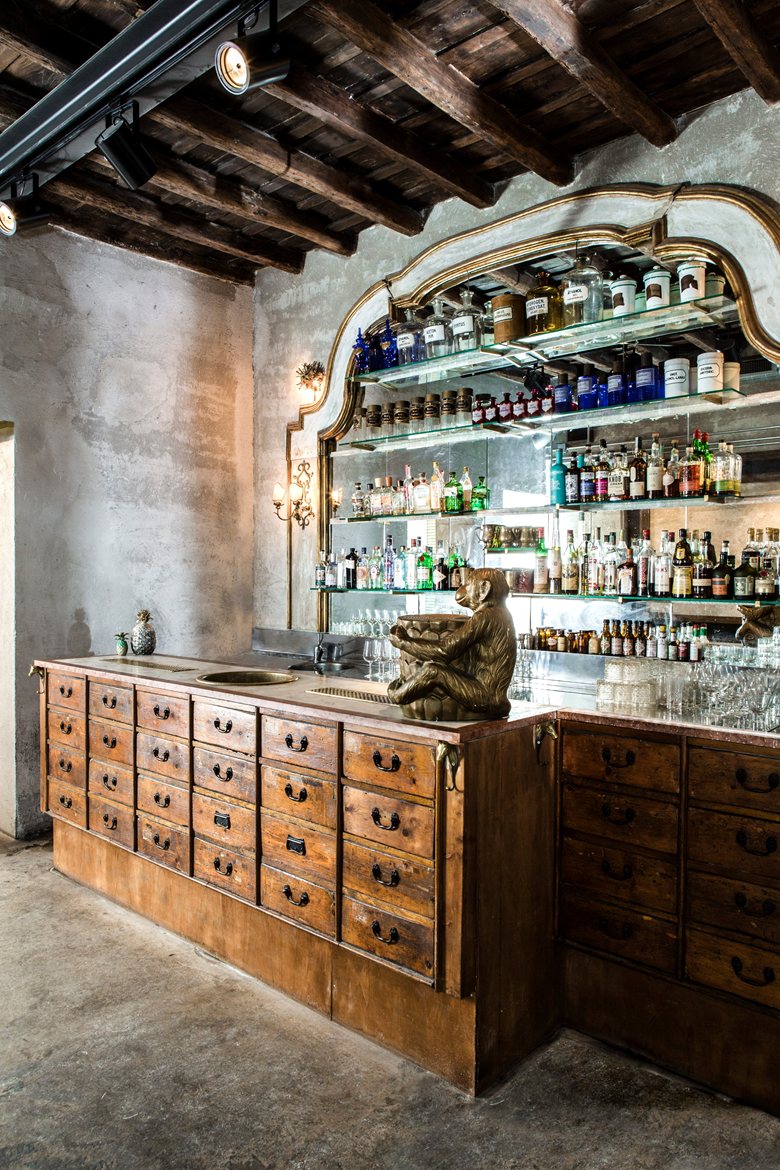
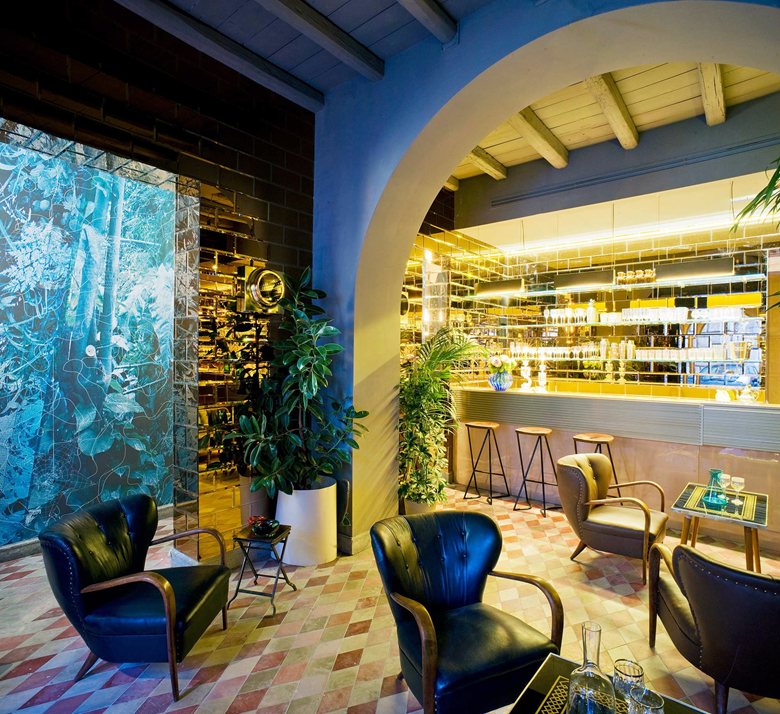
GC: The project was born about a year and a half ago, when my mother, who worked in fashion, hada studio nearbywhere she kept her archive and exhibition stock for renting vintage clothing to cinema and theater productions, and decided to release the space. She suggested that my sister and I start an activity connected to fashion, art and design. With my husband, who organizes events and celebrations and had managed bars and restaurants, including Papageno Caffè, another of my projects, we decided to run an art gallery with a small hidden bar, inspired by an old abandoned pharmacy, or chemist’s shop. For this reason, there are glasses and bottles from the 1920s and 1930s, and the bar offers cocktails typical of the Prohibition years. Via Panisperna is famous in Rome for the chemistry and physics school where Enrico Fermi studied, often remembered through the expression “the boys of Via Panisperna.”
Editorial: Is there a dialogue between architecture, design, modern antiques and art objects in the concept of this exhibition space?
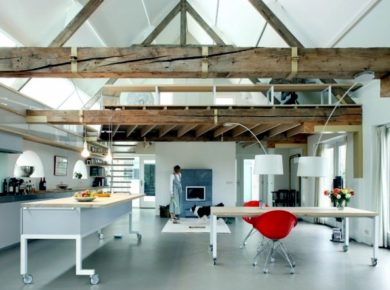
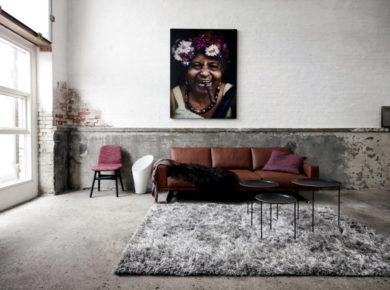
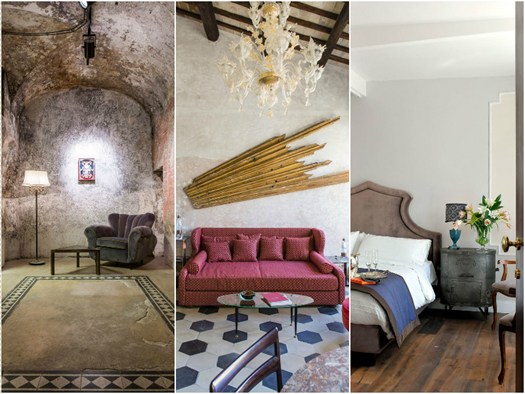
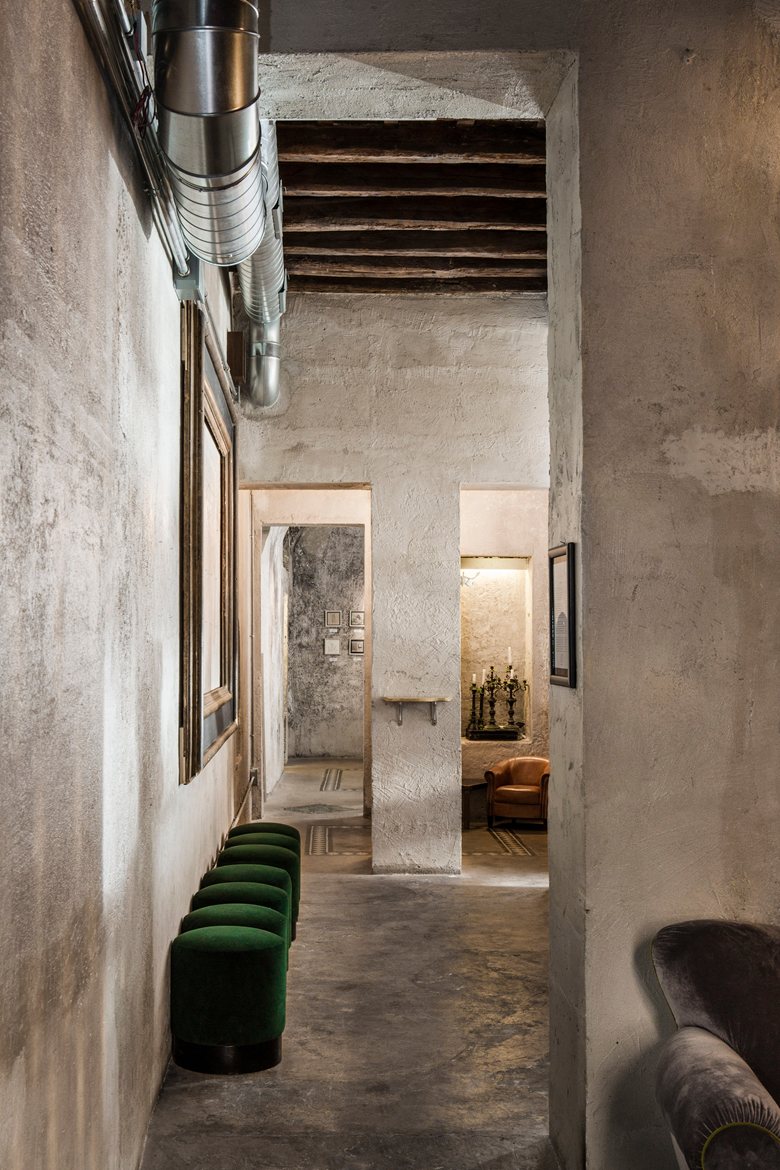
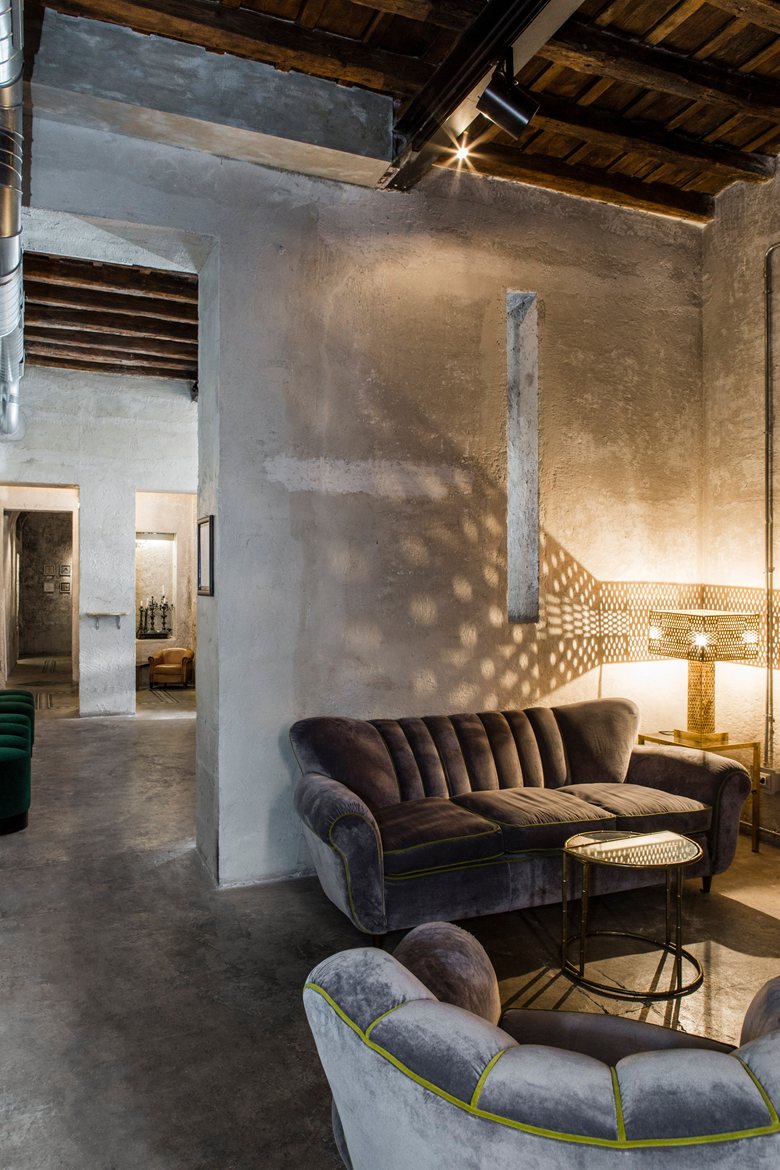
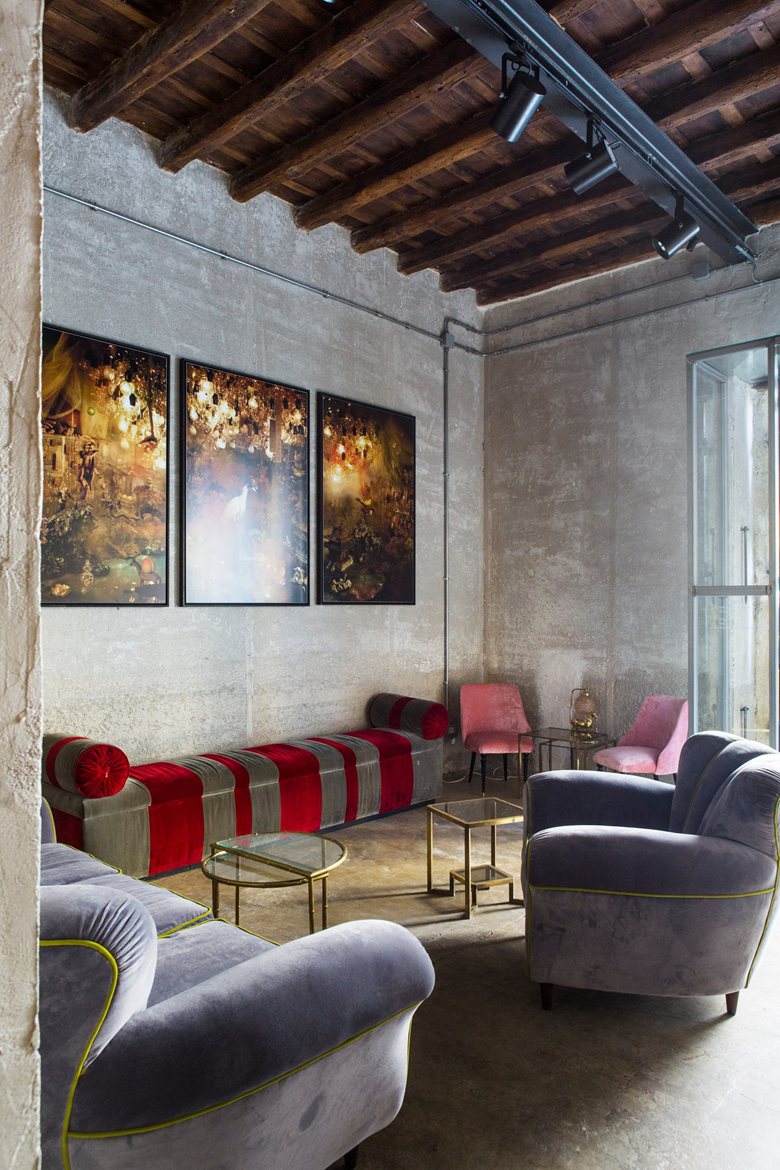
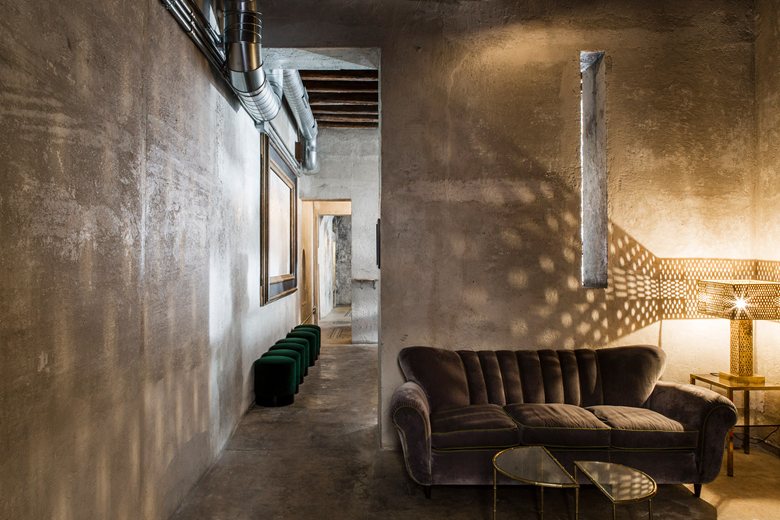
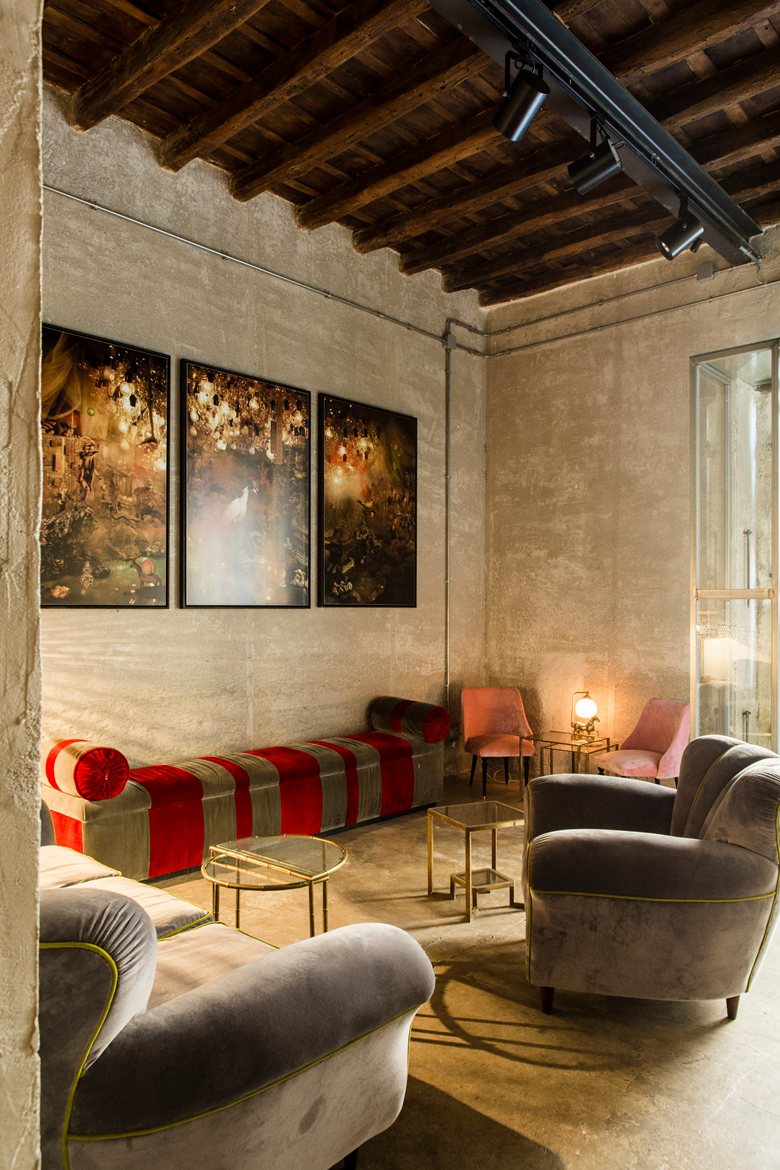
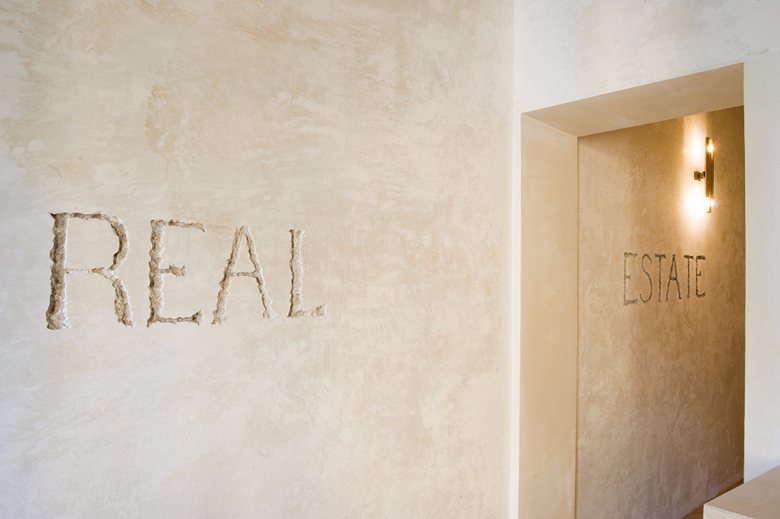
GC: The exhibition area is around 80 square meters, developed lengthwise from one room to another. The first part is the exhibition space, and the second is the bar. It has rustic, rough walls, where traces of old finishes are exposed through light gray tones. It is not a classic gallery with white walls and projectors on the ceiling; instead, it has high wood-and-concrete ceilings, floors and exposed galvanized-steel pipe systems.
On these walls are works by artists who, in turn, are invited to work directly with the walls themselves, for example in the crypt, the last room of the exhibition, with site-specific projects.
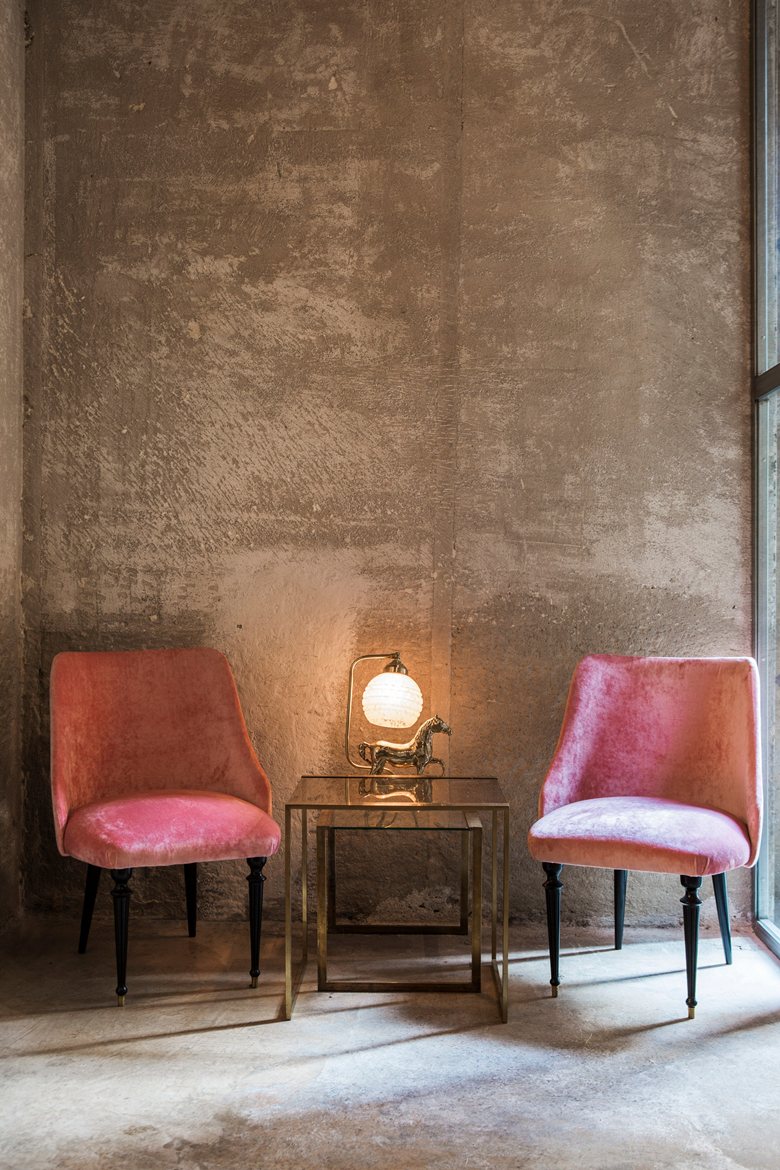
The space is inviting and informal at the same time. The furniture is original vintage from the 1940s and 1950s, all strictly for sale in the gallery, so the selection can be continually renewed through ongoing research and desire.
Editorial: Can you tell us the stories of some pieces and what makes them special?
There is an anecdote connected to a Sciolari chandelier that I was very attached to and that a dealer sold to me second-hand. He loaded it in front of us, and unfortunately it disappeared almost immediately. I remember that my husband, also a passionate researcher of vintage furniture and objects, watched me clean the chandelier and, in a typically Roman way, told me that, as usual, I had reserved it before even finishing the cleaning. Only the next day did he tell me he had noticed it was signed and that, as usual, it had cost us twice as much.
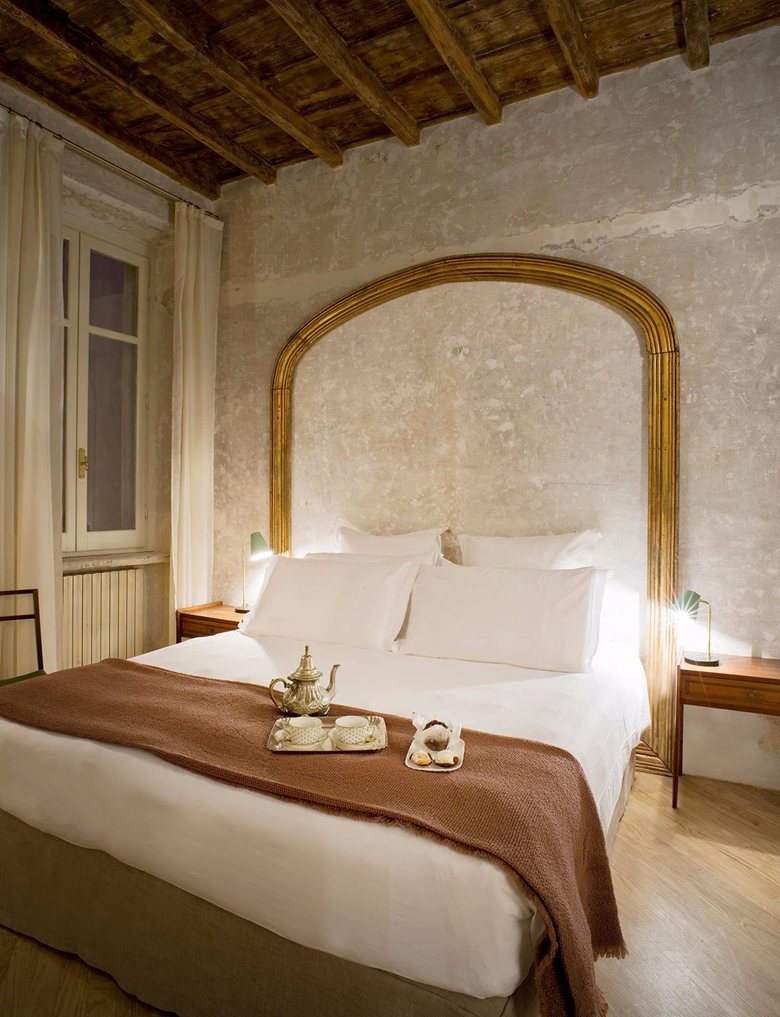
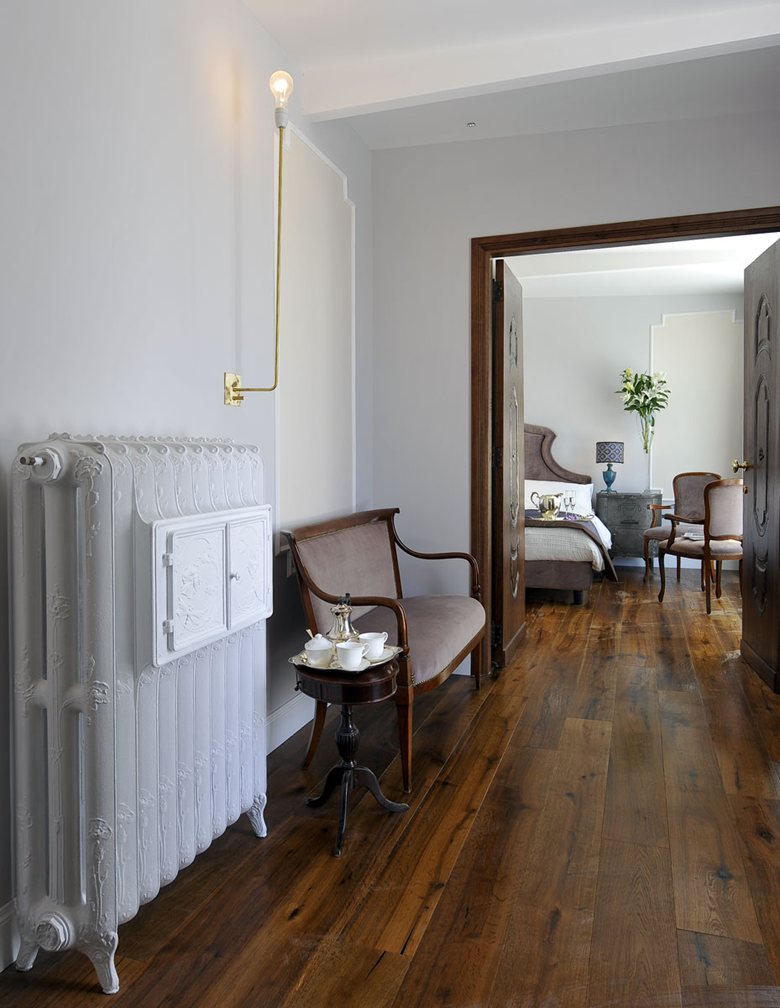
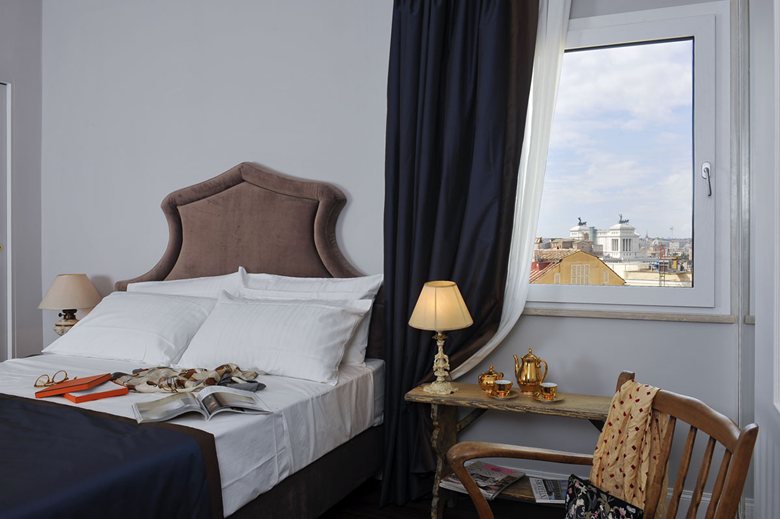
Editorial: You have worked on fascinating places in historic Rome, including G-Rough and Relais Terme di Tito in collaboration with Francesco Fornaciari. What can you tell us about your experiences in architectural recovery, and how do the rooms and suites celebrate creative Italy?
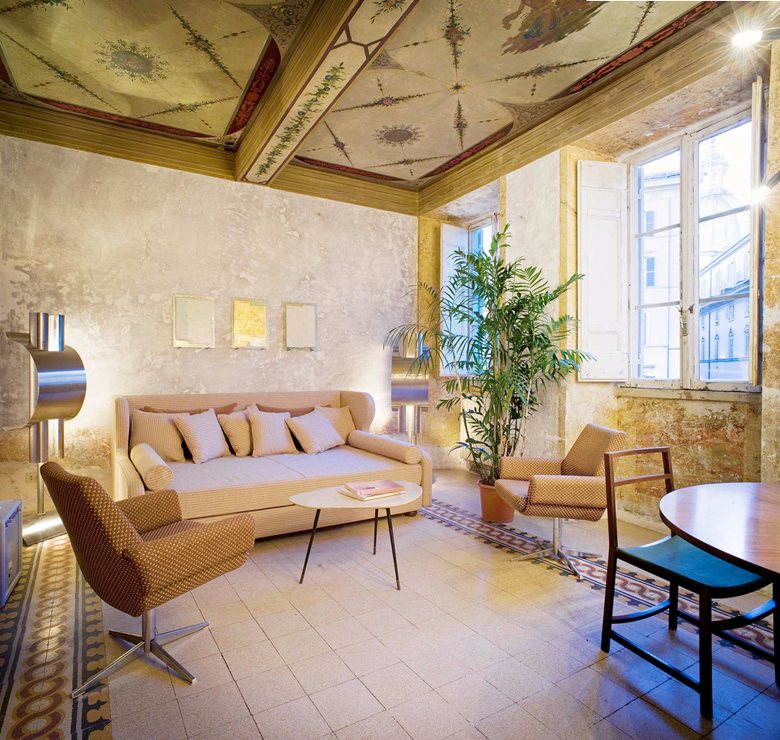
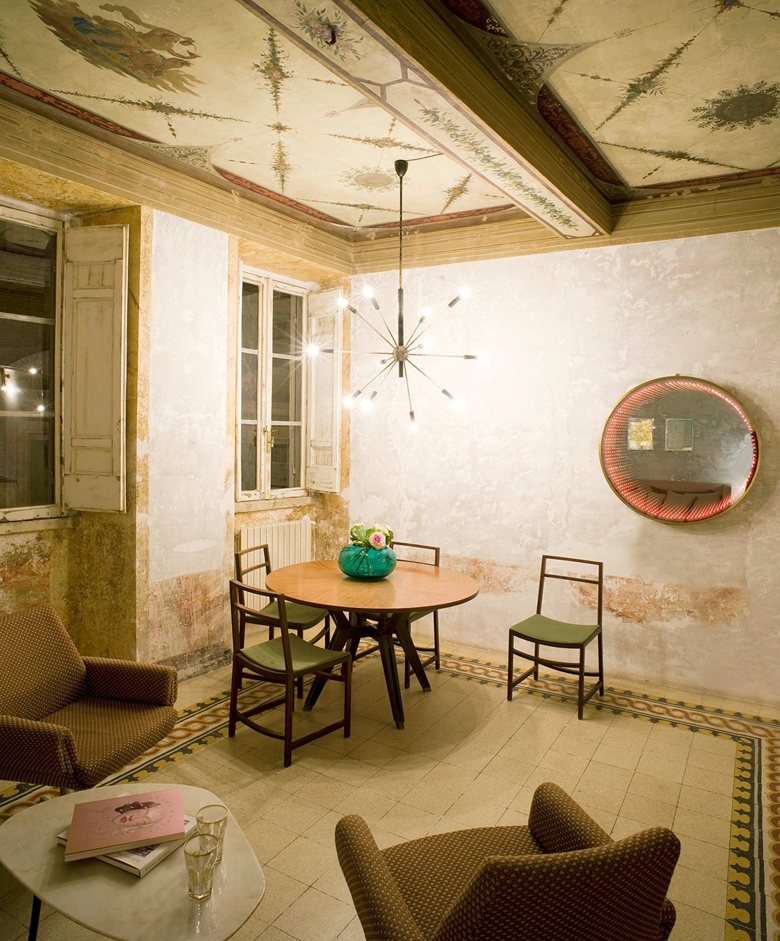
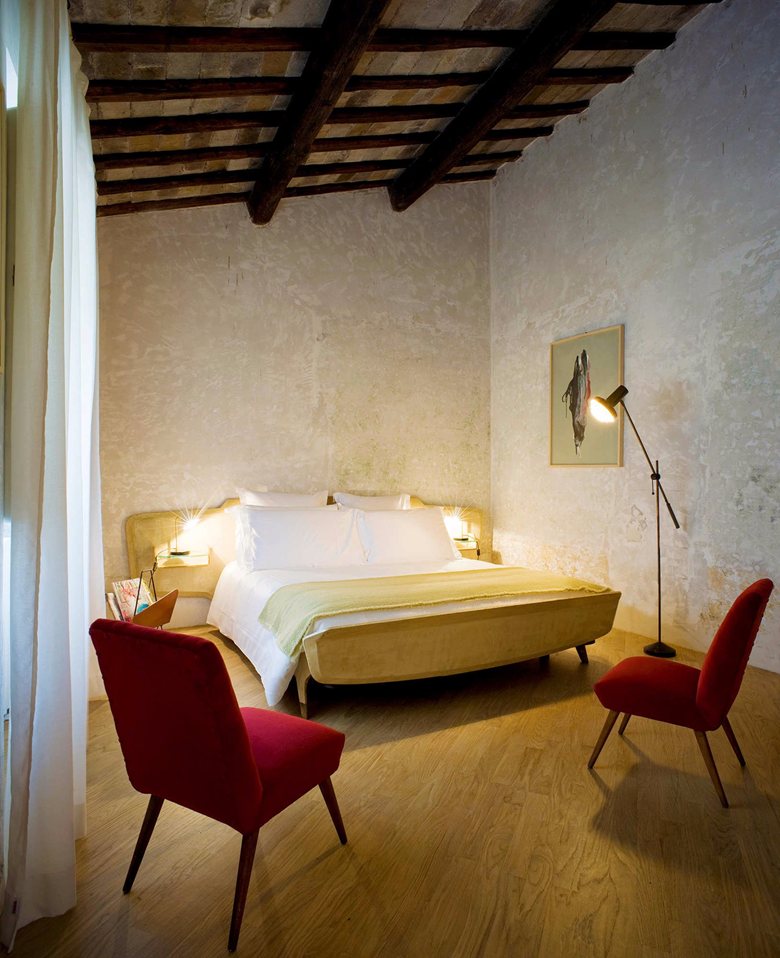
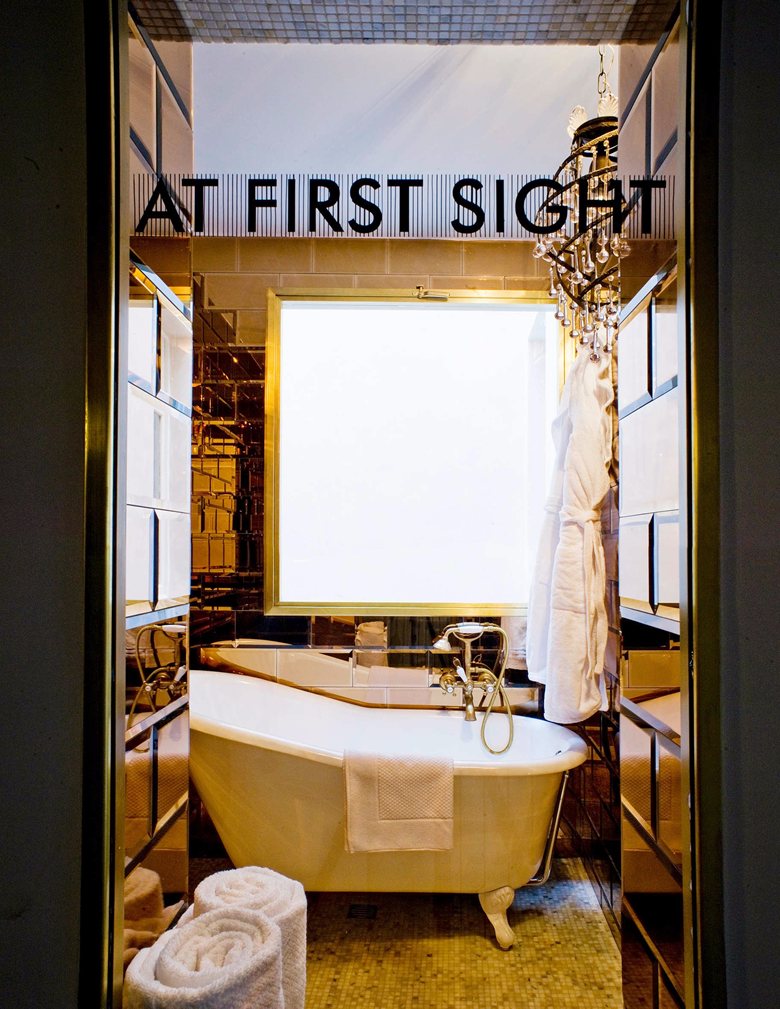
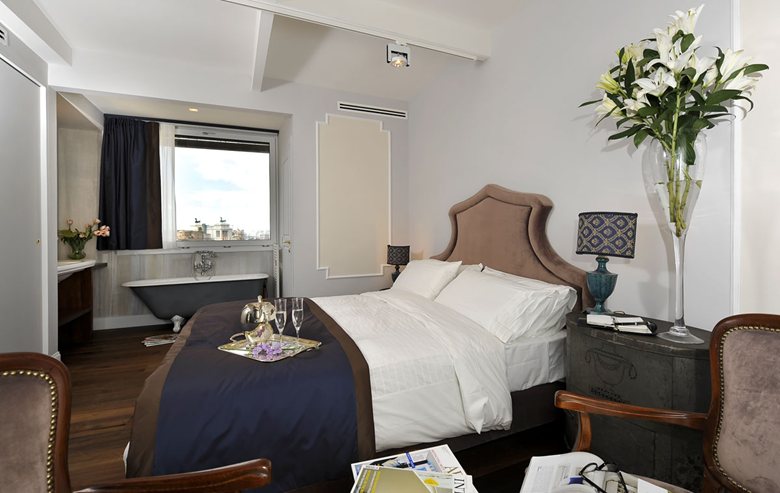
GC: They are two different projects, as different as the personalities of the clients, which must always be taken into account. Certainly, G-Rough is closer to my spirit of regeneration and recovery: there, we saved all the original floors and traces of previous life, while at the Relais I did not find interesting traces to preserve, so I had to start from scratch.
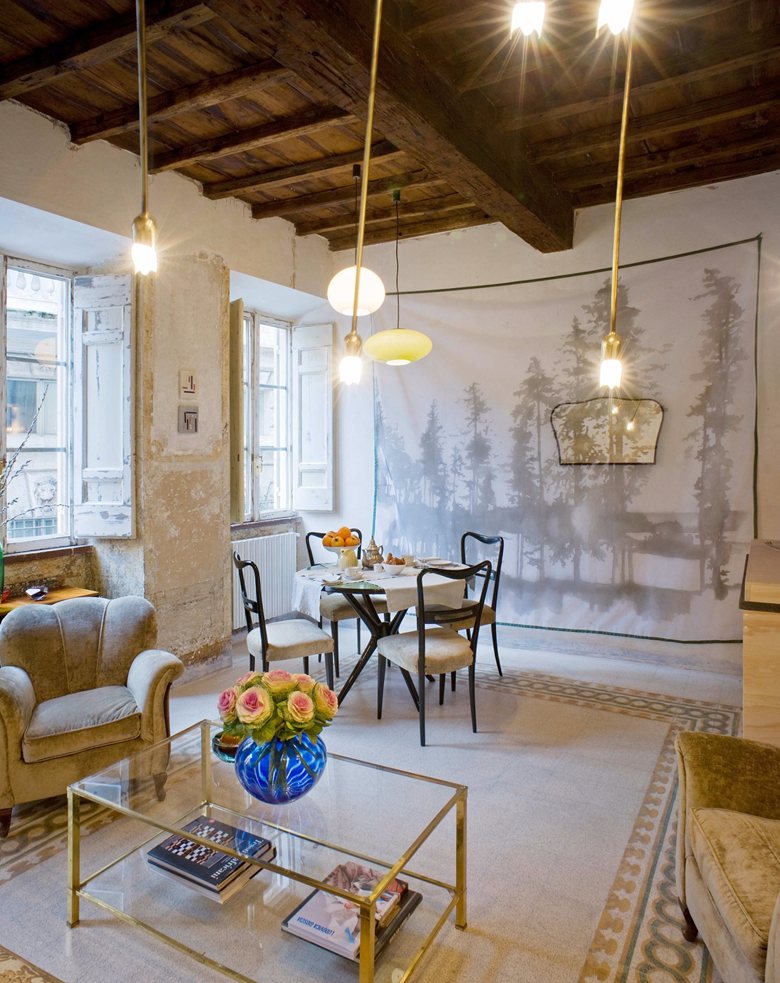
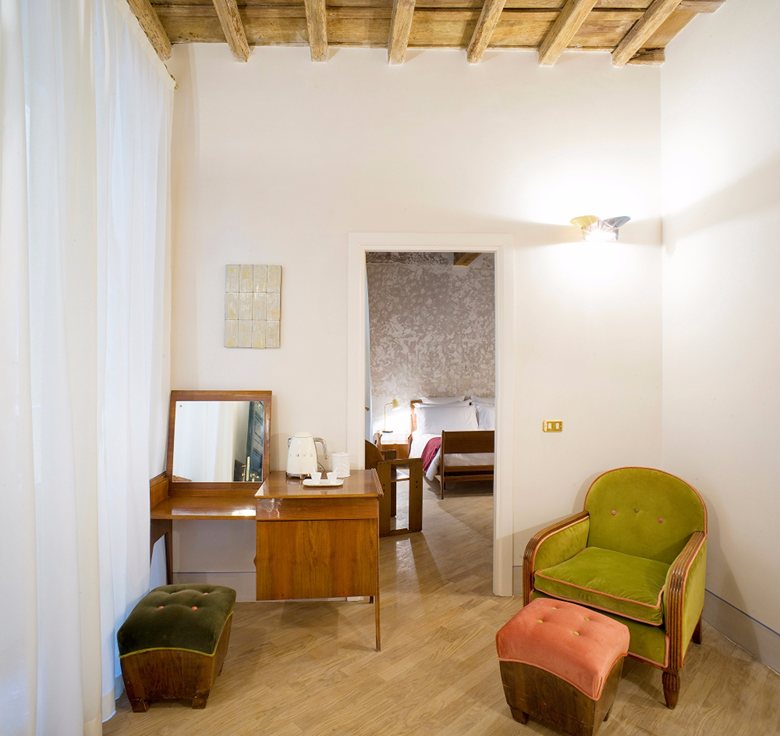
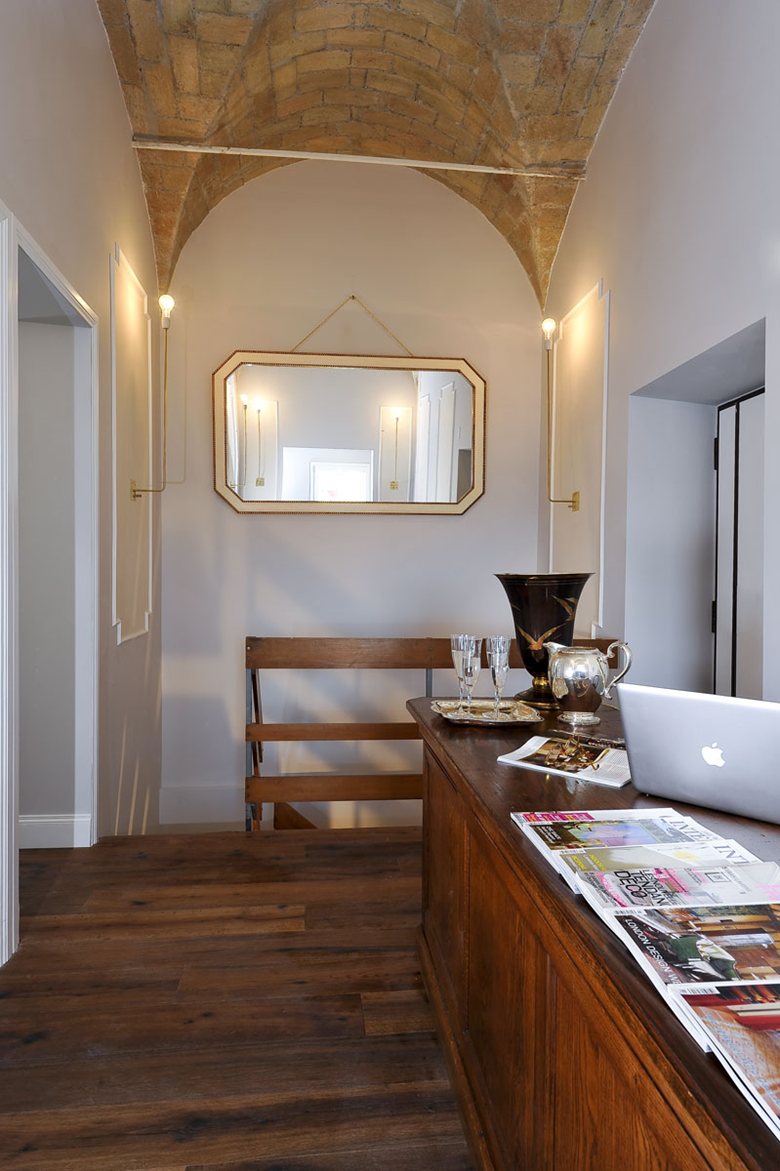
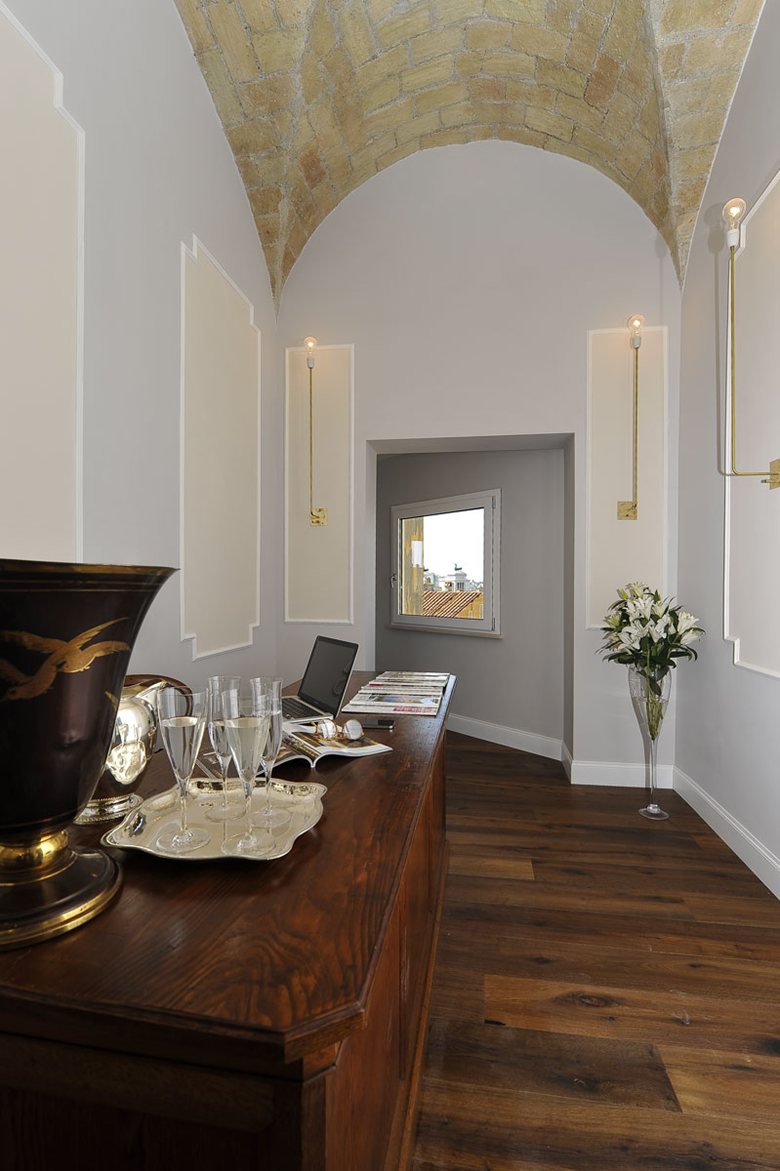
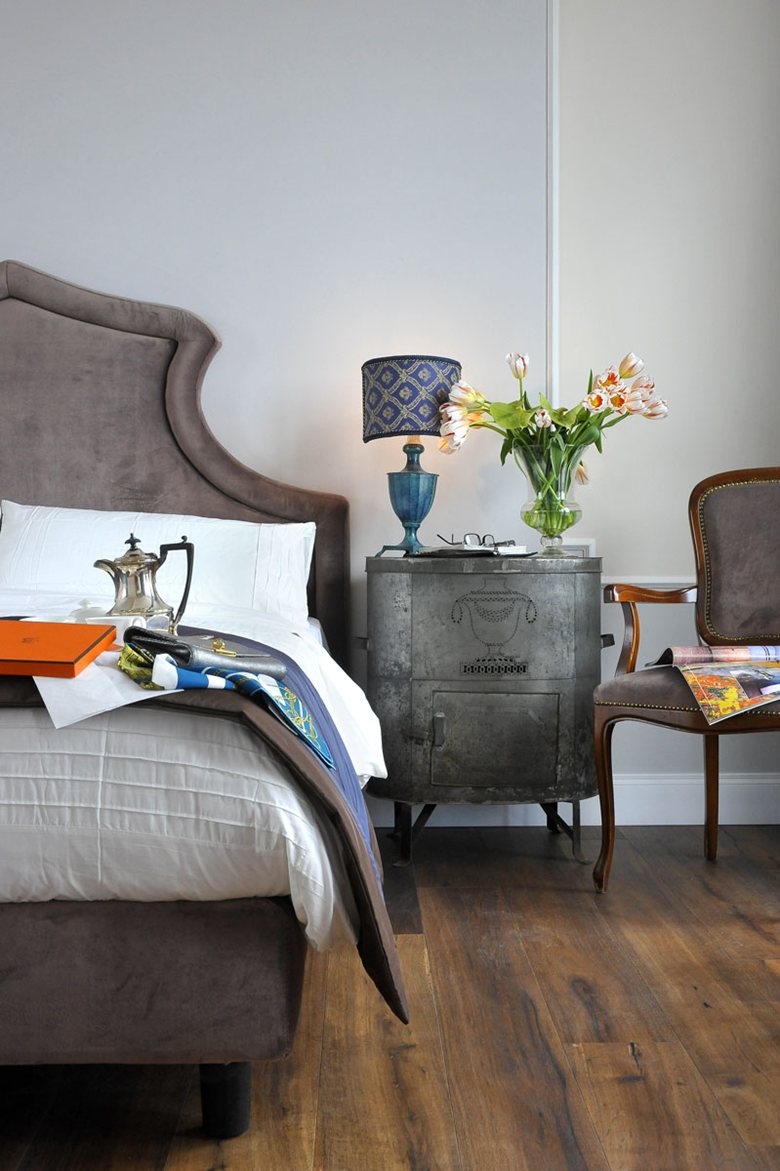
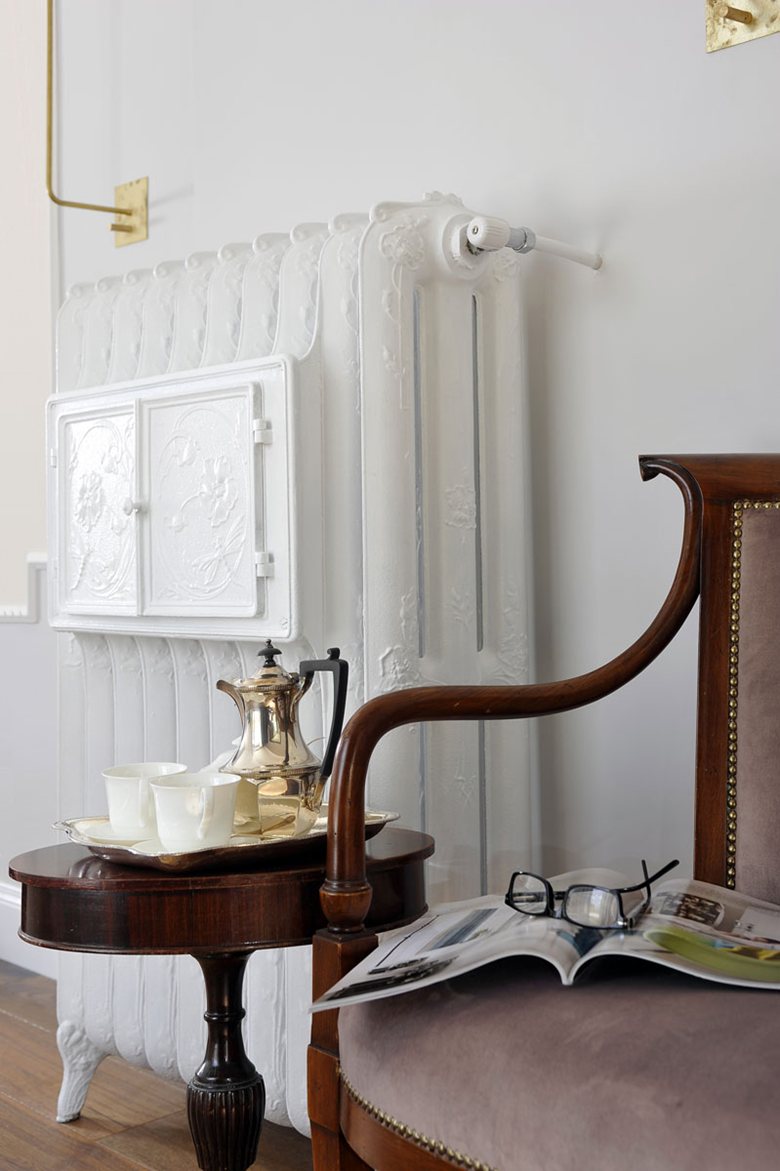
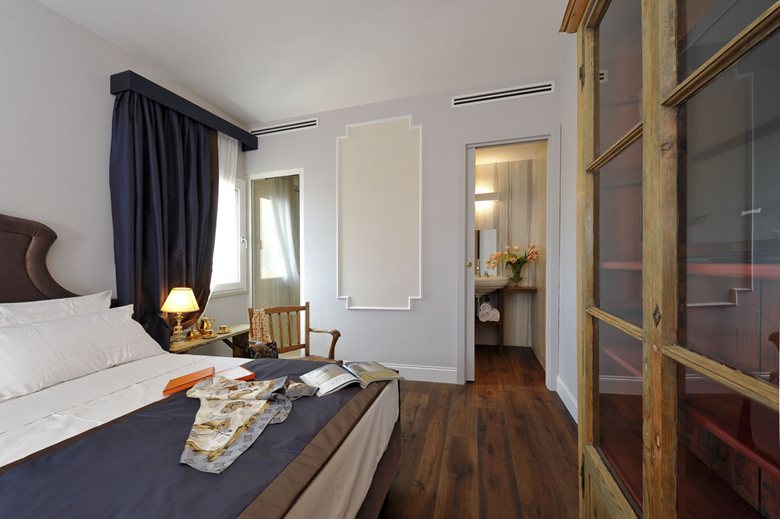
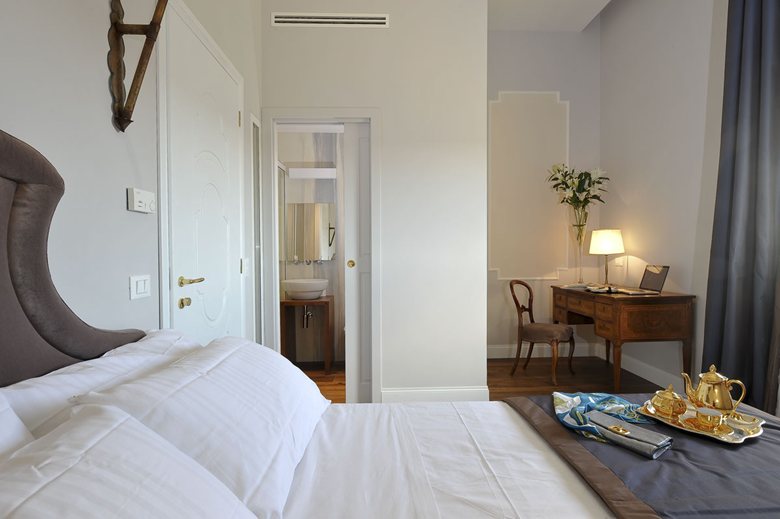
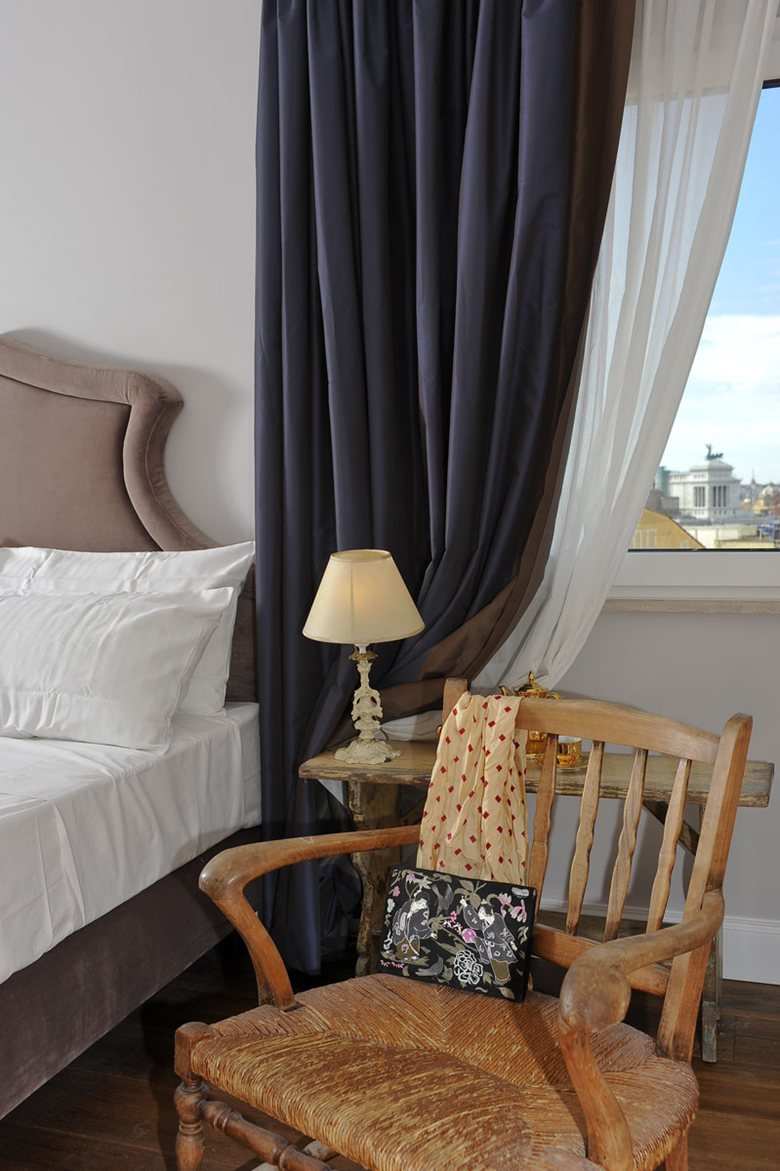
What unites the two interventions is a cozy, homely atmosphere, more typical of houses than of accommodation. Attention to the guest means making spaces useful and indulgent during a holiday while still feeling at home. The taste is made of used furniture, modern and antique pieces, handmade and made-to-measure furniture, and the use of recycled materials.
Editorial: How do you translate ancient Roman construction into your projects?
GC: Whenever possible, I try to give the space an element typical of Rome in the 1930s: cement tiles and oatmeal color. For me there is no other word for it. My idea of a house or room is an open space bounded by walls, where the layers of previous lives can be read, and by geometric designs created on the floor with cement tiles. They represent a return to the past: memories of my grandmother’s home, a Bertolucci film or images from that era.
Editorial: How do you divide your work between the roles of designer and gallery owner?
GC: Let’s say there is practically no one to take care of the tedious administrative aspects, so I move from art and creation to the practical and organizational side of a 24-hour, non-stop day. I am also working on a new project opening soon. But I am very attached to the gallery, which opened last year on November 6, the day my daughter was born.
The gallery is a space that is constantly growing, surrounded by an atmosphere of people who, like us, love beauty in general.
We live in the most beautiful city in the world, and I do not want to think that so much beauty has blinded us. We need more urban-design committees, as in Paris and other European cities, to protect the future of this city.

 Anna Lohan
 Peter Dark
 miranda_shida