Most plants need good pruning and care. The trick is knowing what to cut and when. If you are unsure which bushes, shrubs, and hedges should be pruned in spring, read on.
Pruning hedges in spring – which plants?

For many bushes, spring care simply means removing damaged branches. Spring pruning, especially for evergreen shrubs, helps create a beautiful green hedge by removing low or weak growth. For shrubs that flower later, pruning at the end of March or beginning of April is recommended; old stems can be cut about 20-30 cm above the ground. This stimulates new canes and encourages larger flowers. These shrubs include butterfly bush, hydrangea, and spirea. For white dogwood and sumac, it is also recommended to cut branches back radically, about 15-25 cm above the ground. Always prune with sharp shears. For thick twigs and branches, use a cordless trimmer or a fine-toothed saw. Make the cut diagonally above a bud, usually outward-facing, or in the direction where you want a new branch to grow.
Trim hedges in spring with garden shears

The best time to prune early-flowering plants such as lilac, forsythia, and rhododendron is late spring, just after they have finished blooming. If you cut them later in the season or in winter, you will remove flower buds and reduce the number of spring blossoms.
Boxwood Topiary

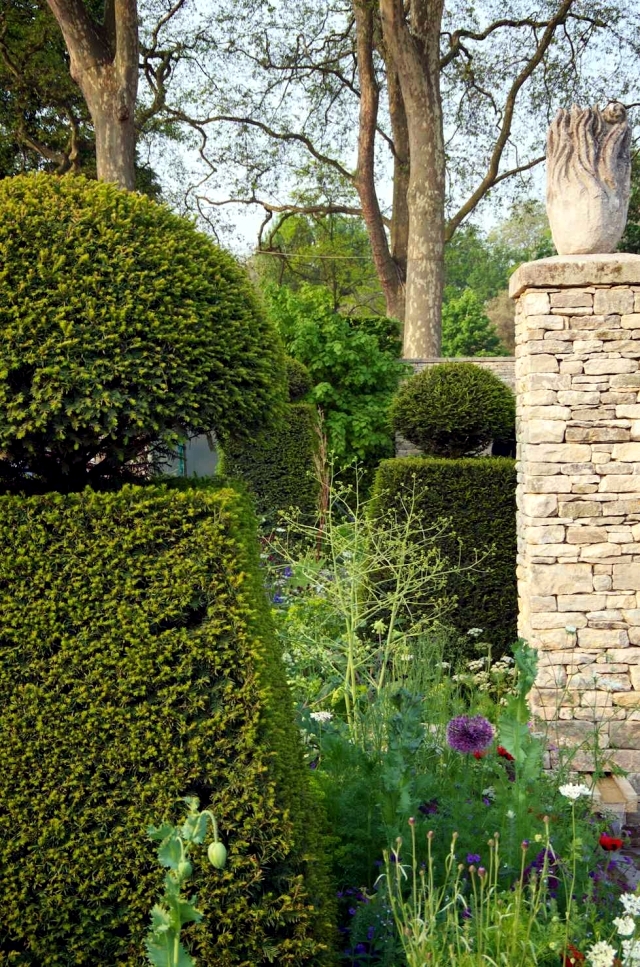
Hedges can be shaped geometrically in spring. They define garden boundaries and create an effective visual barrier. Living walls provide shade, reduce noise, and are highly decorative. If a hedge is cut in a trapezoid or rounded shape, it becomes more resistant to wind and snow. Cypress, honeysuckle, and St. John's wort are suitable for hedging; cotoneaster, barberry, forsythia, shrub roses, pyracantha, and hazelnut can also create spectacular hedges. Pruning is an important part of designing bushes as hedges. To form a dense hedge, the shrub should be well developed, with branches from root to tip. This means growth along the full height of the plant should be stimulated by cutting. Hedge plants can also be shaped into spheres, cubes, cones, spirals, or more complex forms. Plants that grow back quickly after pruning are best for topiary. In most cases, small-leaved evergreen shrubs are used, including yew, boxwood, holly, laurel, oval-leaved privet, and ivy, often with wooden slats or metal topiary frames. Cut from the top down and from the center of the plant outward.
cut hydrangeas

Topiary in the garden
Cordless Drills 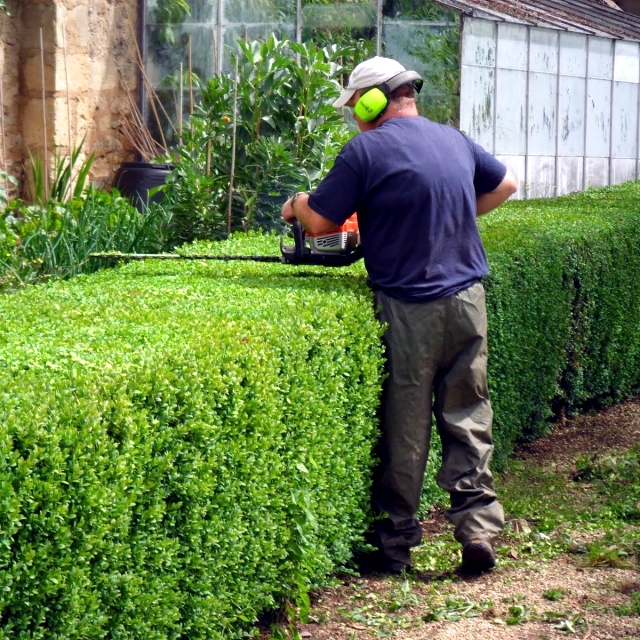
Forming geometric shapes

Cut with shears

Rhododendron

Forsythia

Lilac 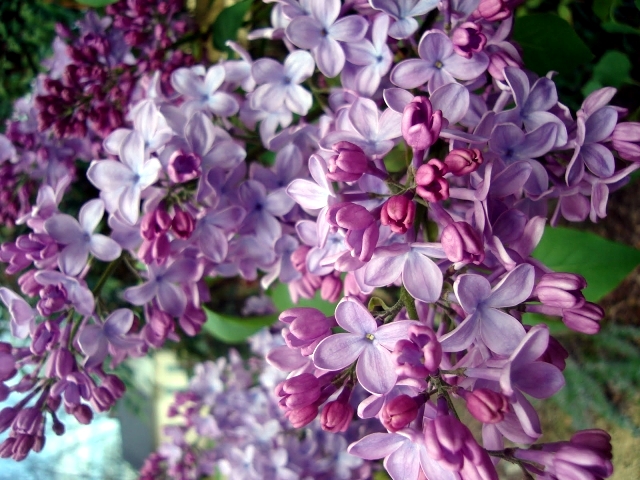
Spirea




 Anna Lohan
 Peter Dark
 miranda_shida