Land art is an artistic movement that emerged in the late 1960s in the United States, partly as a response to the limits of museums and galleries. Artists moved outside the traditional exhibition space and began working directly with landscape, scale, natural materials and time.
Many land-art works are temporary. They are made with earth, plants, stones, water, light or other materials that change and disappear, reinforcing the idea that nature is always in renewal.
The relationship with space is central: the work is not simply placed in a setting, it is the setting. Scale often becomes difficult to grasp, and many works can only be fully understood from above or by walking through them.
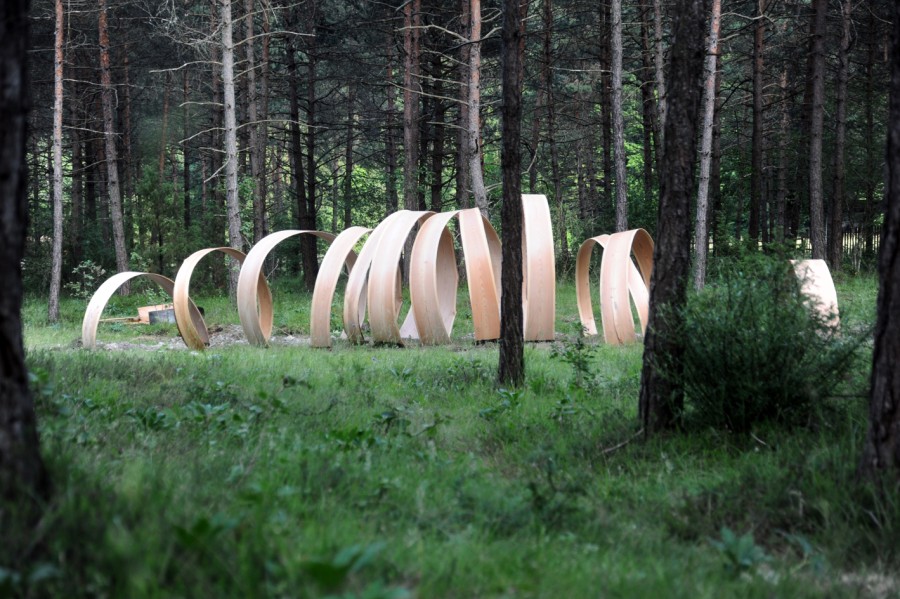 Work by Luca Degara at the Ledro Land Art Festival
Nature itself becomes part of the artwork, as in Walter De Maria’s The Lightning Field, installed in New Mexico in 1977 with 400 stainless-steel poles arranged across the desert. The work changes with light, weather and distance.
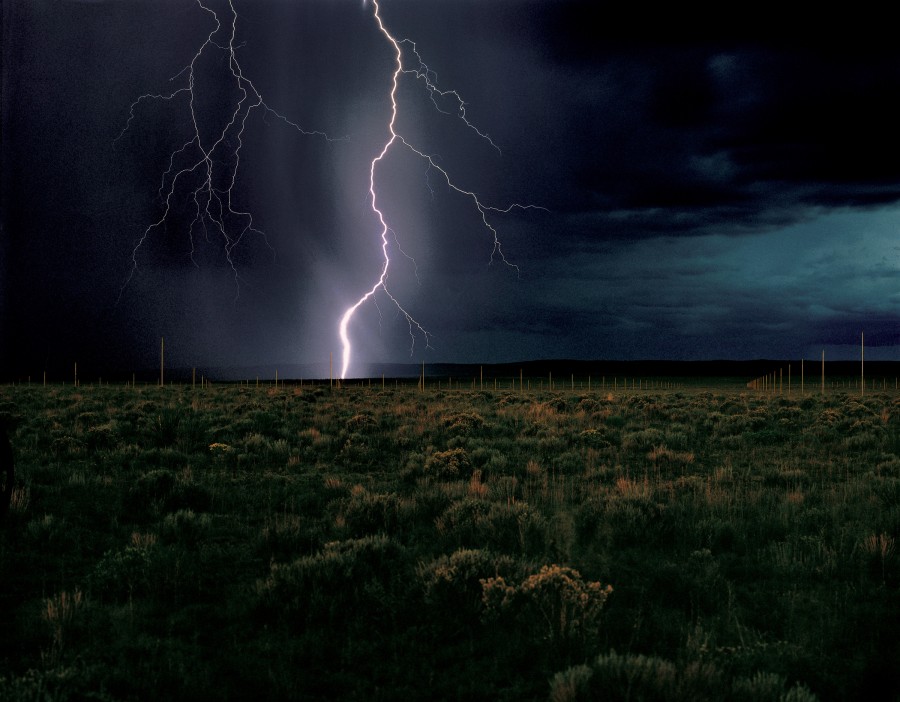 A cult work of land art
Large-scale site-specific interventions can expand beyond the viewer’s field of vision. The public is often drawn into the work, erasing the usual distance between artist, viewer and object.
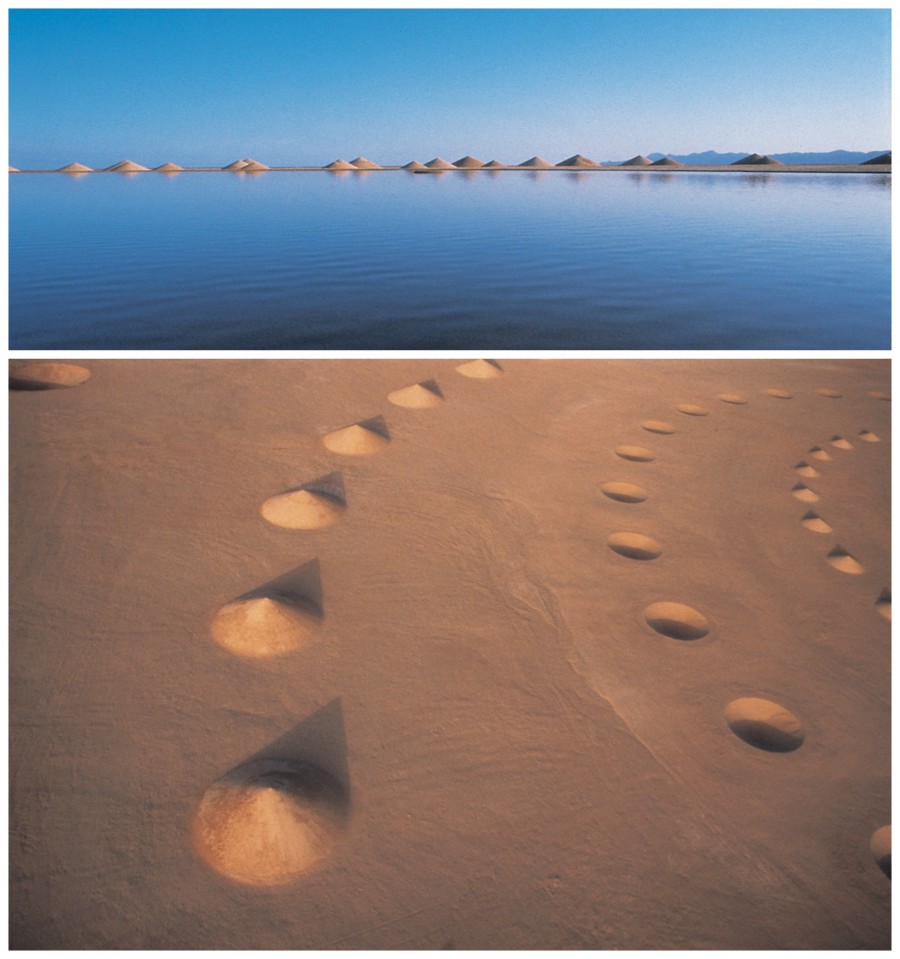 Desert Breath, D.A.ST. Arteam, Sahara
 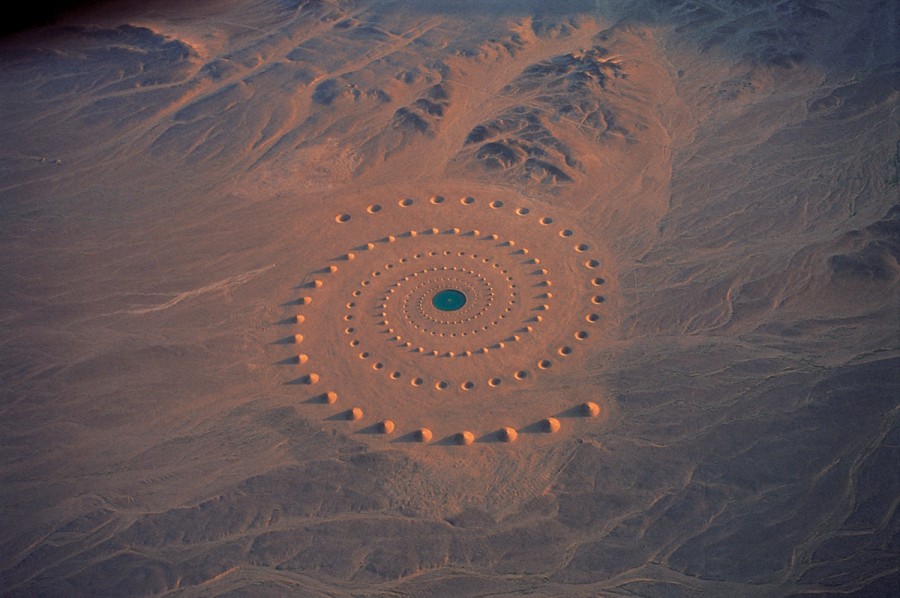 Another view of Desert Breath in the Sahara
The Strength Of The Message, The Lightness Of The Materials
Land-art works can carry strong political or environmental messages. Some call attention to the landscape, while others try to recover the identity of a place or rethink the relationship between people and nature.
Polish artist Jaroslaw Koziara’s Free Flow, created for the 2011 Land Art Festival on the border between Poland and Ukraine, used planted crops to form two giant fish crossing the boundary between the two countries. The work questioned political and administrative borders through the language of nature.
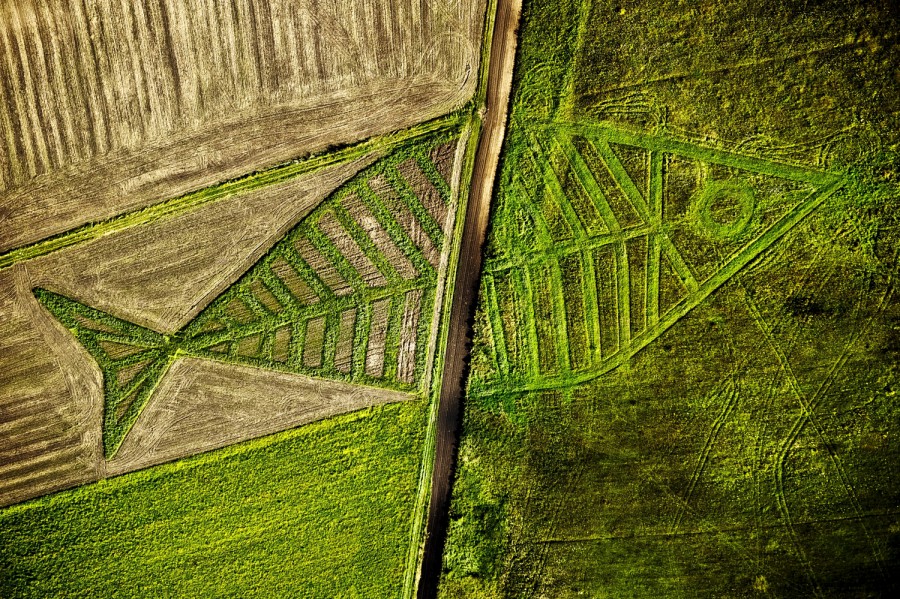 Art, like nature, knows no borders
 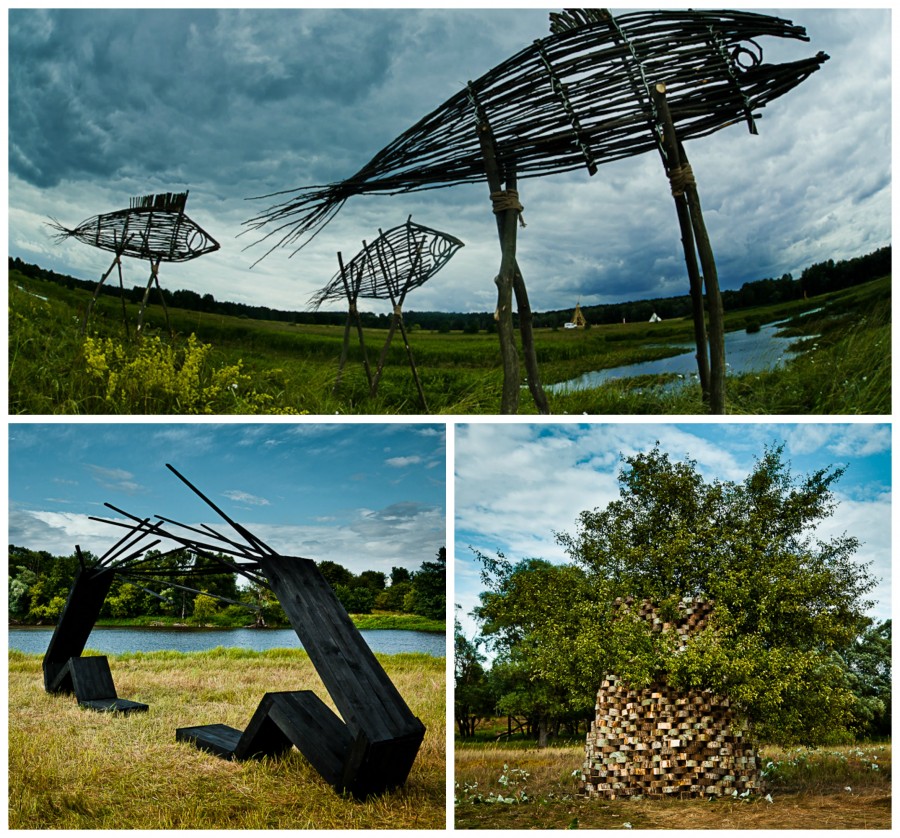 Works from previous editions of the Land Art Festival
The British environmental artist Martin Hill also works with impermanence and sustainability. His installations are often extremely light and temporary; photography becomes the record of an artistic act that returns to nature.
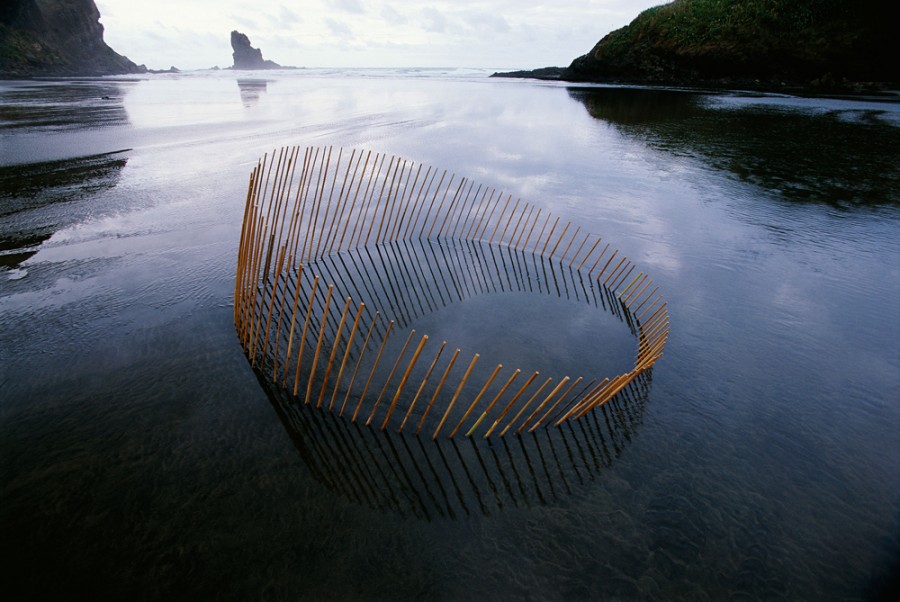 The lightness of Martin Hill’s installations
 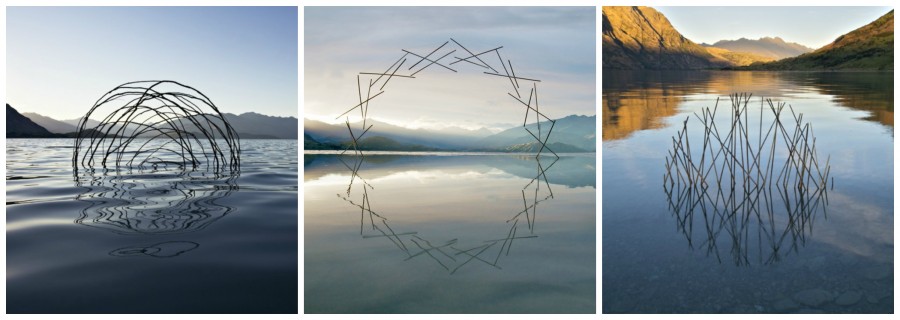 Water, light and natural elements create a dematerialized effect
Artists Alexandra Doro and Benedict Floquart explored the difficult issue of water as an increasingly critical resource. Their installation Red River used a strong line of color to create landscape visions within the garden of Domaine du Rayol near Saint-Tropez.
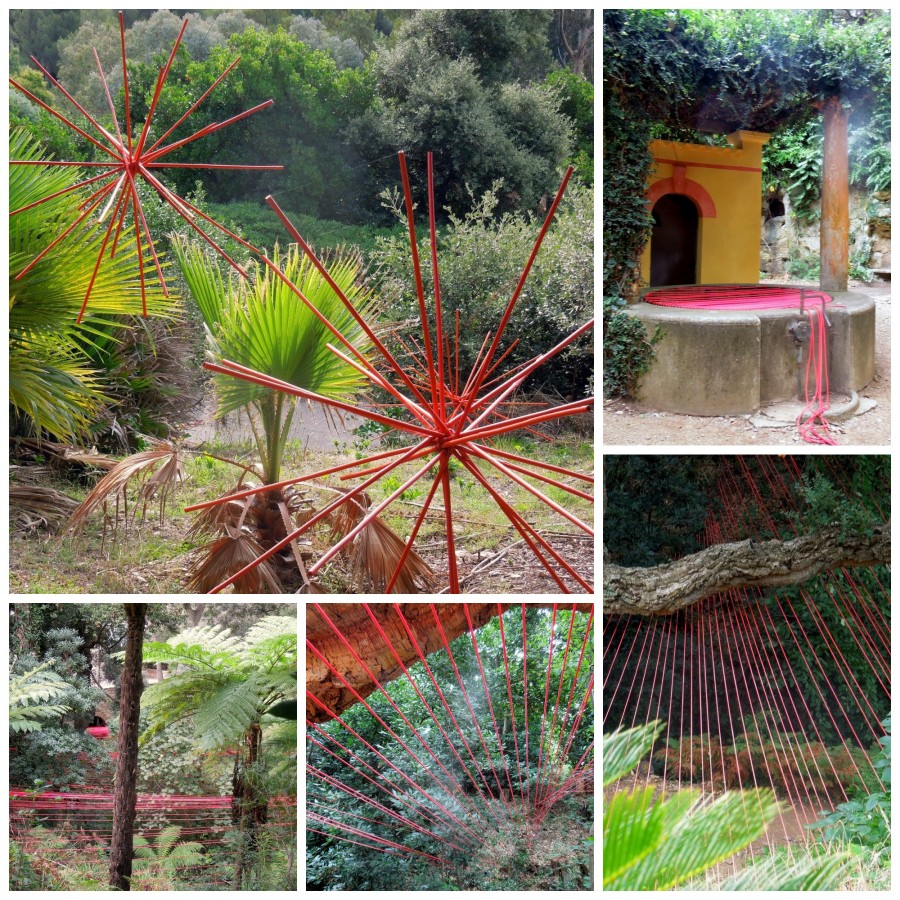 One color and multiple elements give the work its strength
The Interaction Between People And Space
Land art can also become a kind of performance, born from the interaction between the artist, the viewer and a specific place. In Calixto Ramírez’s work, for example, a crack in a wall or a shift in the ground can become an opportunity for action.
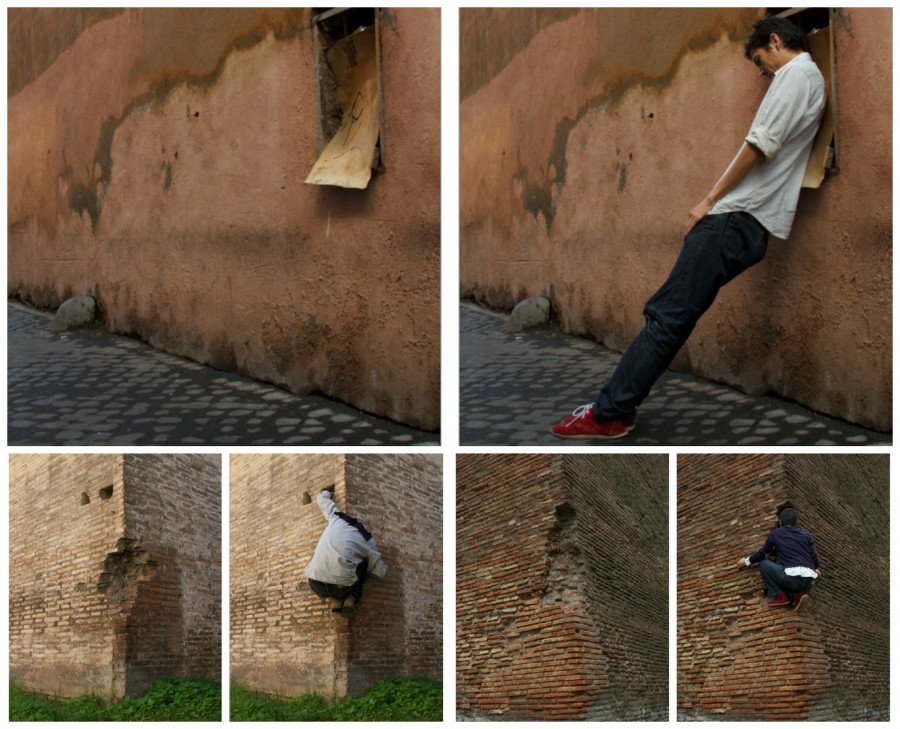 A crack in the wall becomes an occasion for art
Where To See Land Art In Italy
Italy has many parks, festivals and residencies dedicated to land art. Trentino is one of the most active regions, with initiatives and exhibitions that attract a wide public.
Arte Sella, in Val di Sella, is one of the best-known examples. Over the years it has involved hundreds of artists, and its ArteNatura path connects art and nature through a walk in the landscape.
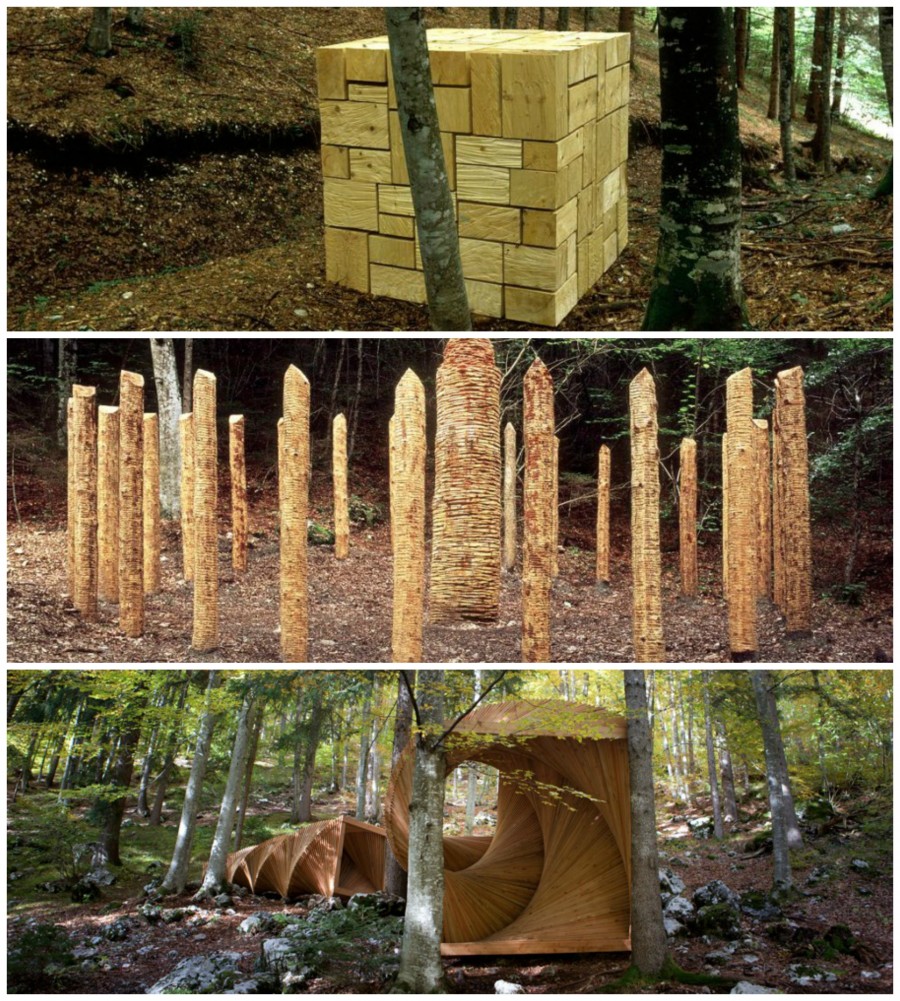 Encounter in the forest
 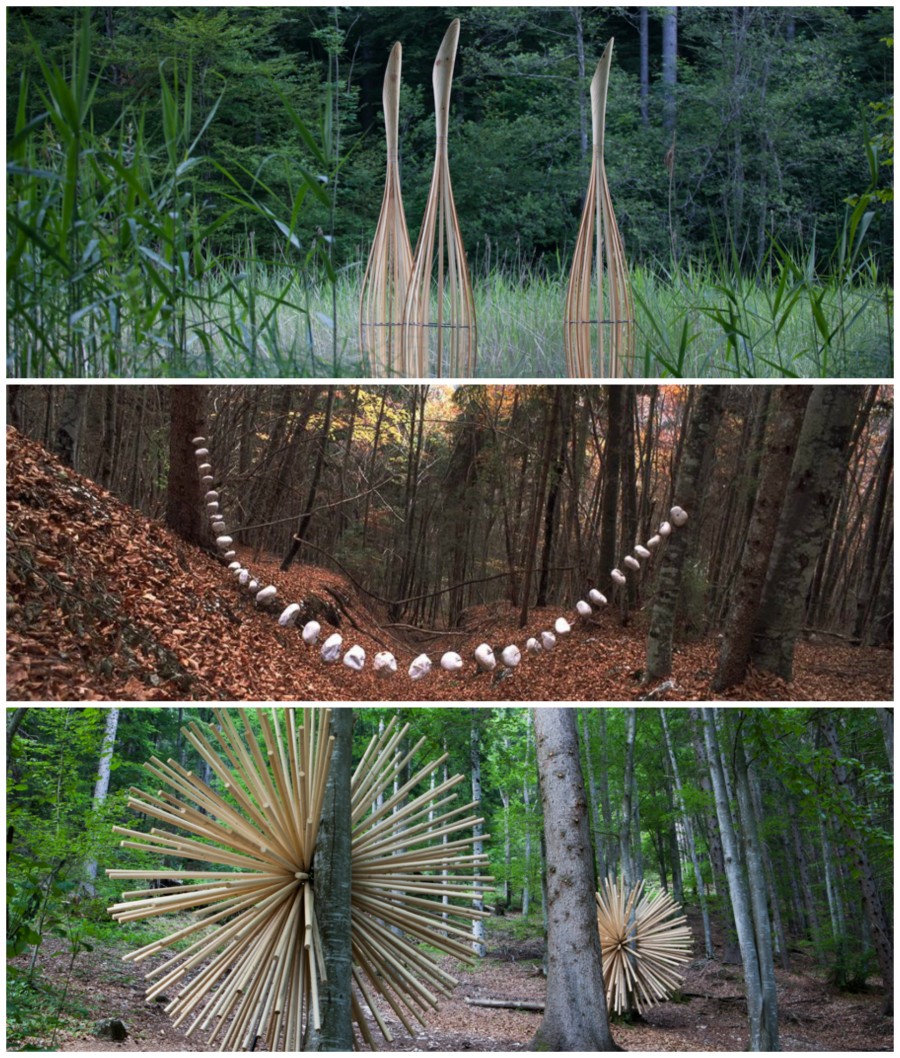 Unexpected works appear along the path
Also in Trentino, the Adamello Brenta Natural Park offers Bosco Arte Stenico, where land-art works are made exclusively with plant material from the forest. The route is open throughout the year and is easy to reach from several points.
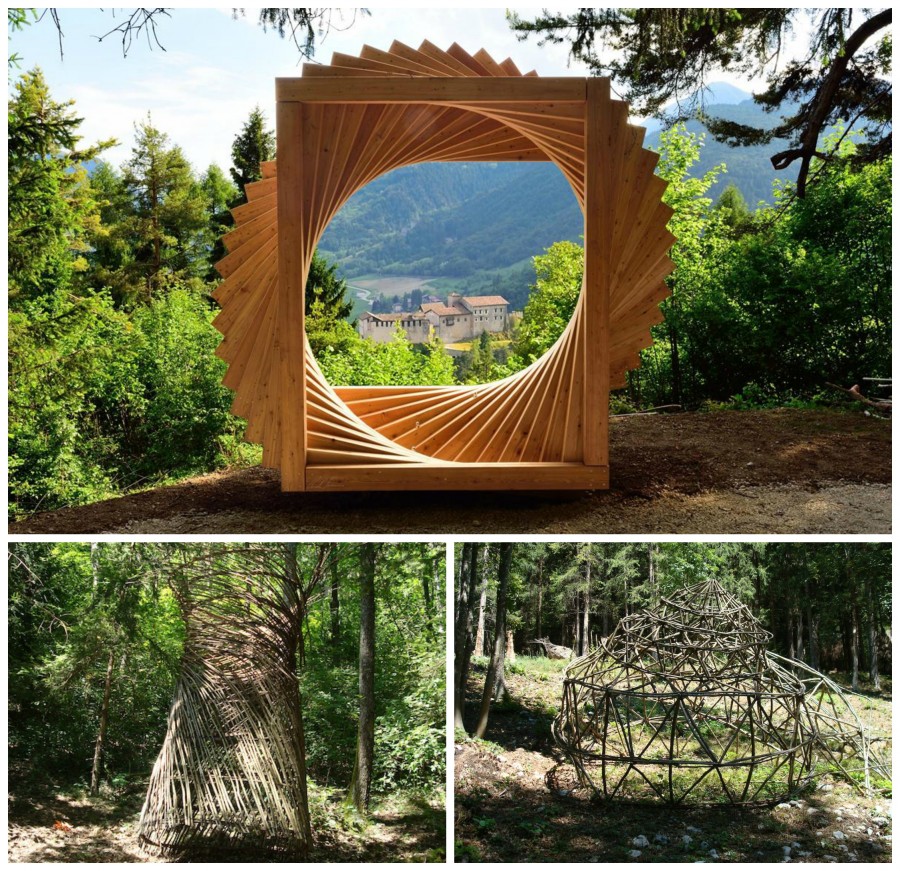 Visions of nature
In Naples, Land Art Campi Flegrei brings together installations and sculptures in dialogue with the natural environment and the landscape, with an international program of artists and cultural contributors.
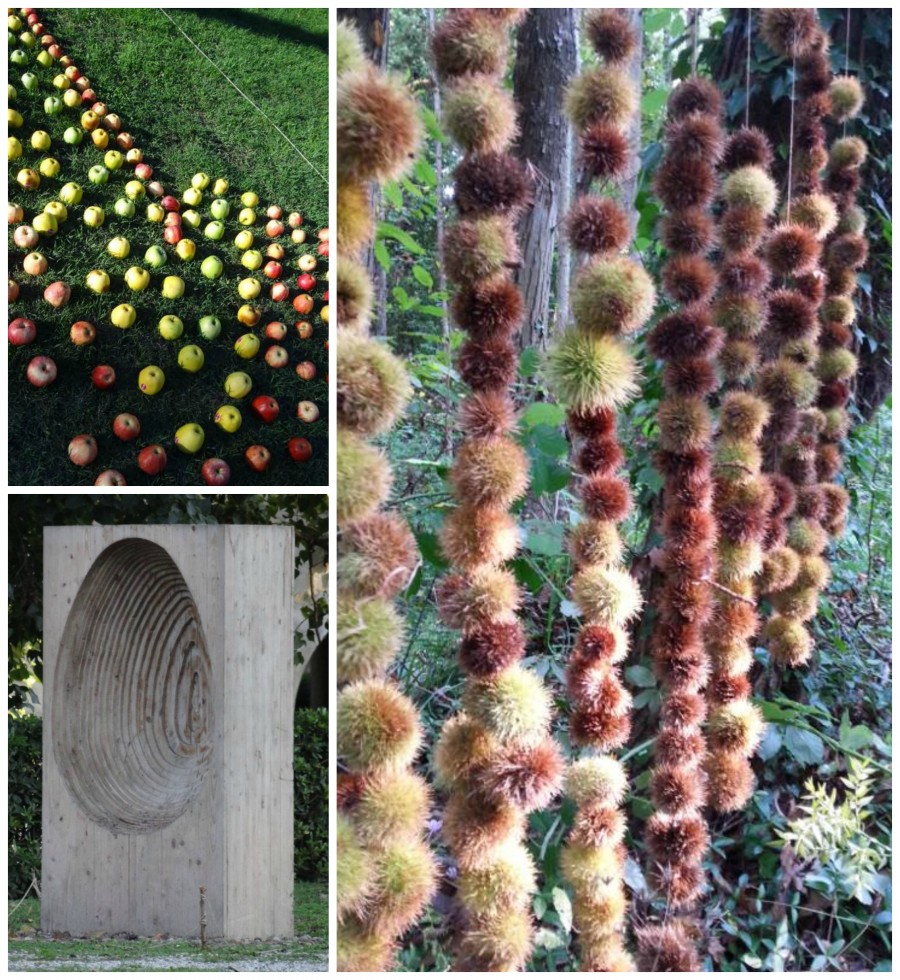 Works from a previous edition
 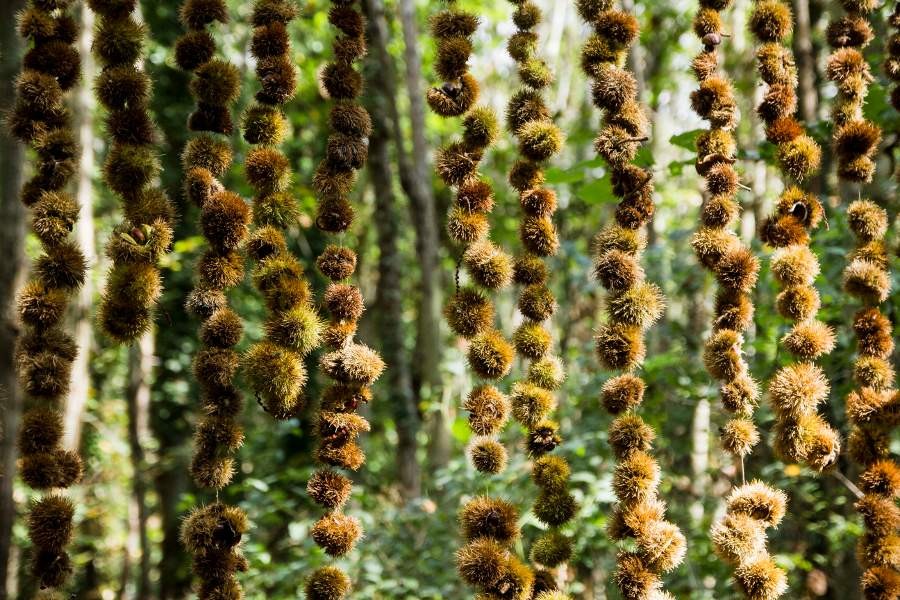 Chestnut shells woven like a tent
In Puglia, the Apulia Land Art Festival has taken place in Ostuni, using the region’s agricultural landscape and olive groves as both setting and subject.
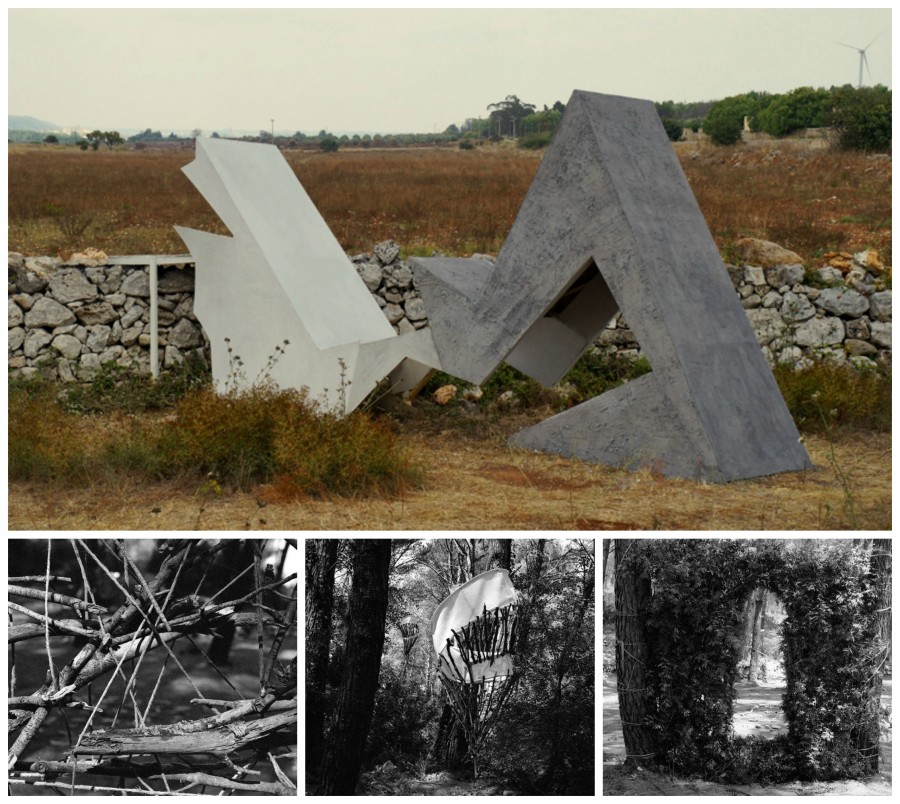 Material, form and color
Finally, visitors to Expo Milan could also encounter land-art projects connected to sustainability, food and the value of the territory.
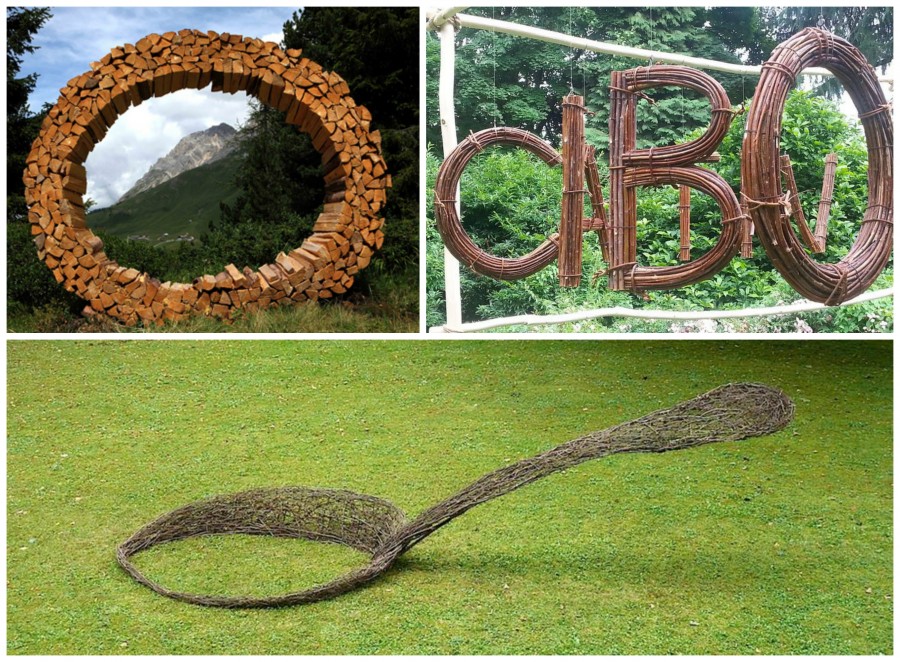 Food, the theme of Expo, seen from a land-art perspective
Further information:
https://contemporaryearthart.wordpress.com/page/2/
martinhill.com
www.danaestratou.com
www.ledrolandart.it
www.landartcampiflegrei.com
www.apulialandartfestival.it
http://yau.com.mx/artist/calixto-ram%C3%ADrez
www.artesella.it/index.php
www.boscoartestenico.eu/2015/index.php
www.arteincascina.org/land-art-a-expo


 Yolande A. Bow
 Anna Lohan
 miranda_shida

 Peter Dark